ink-maker and foraging artist
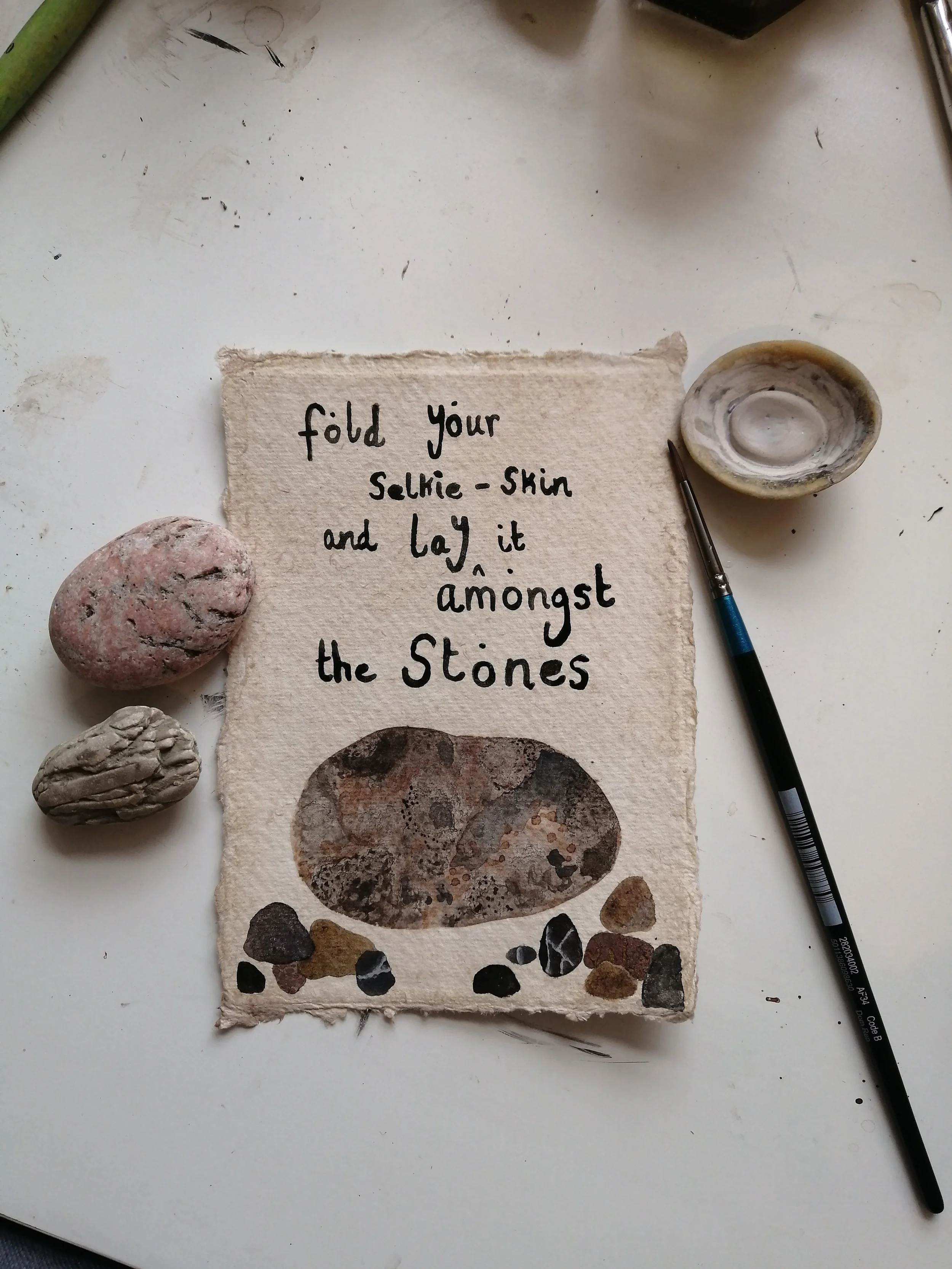
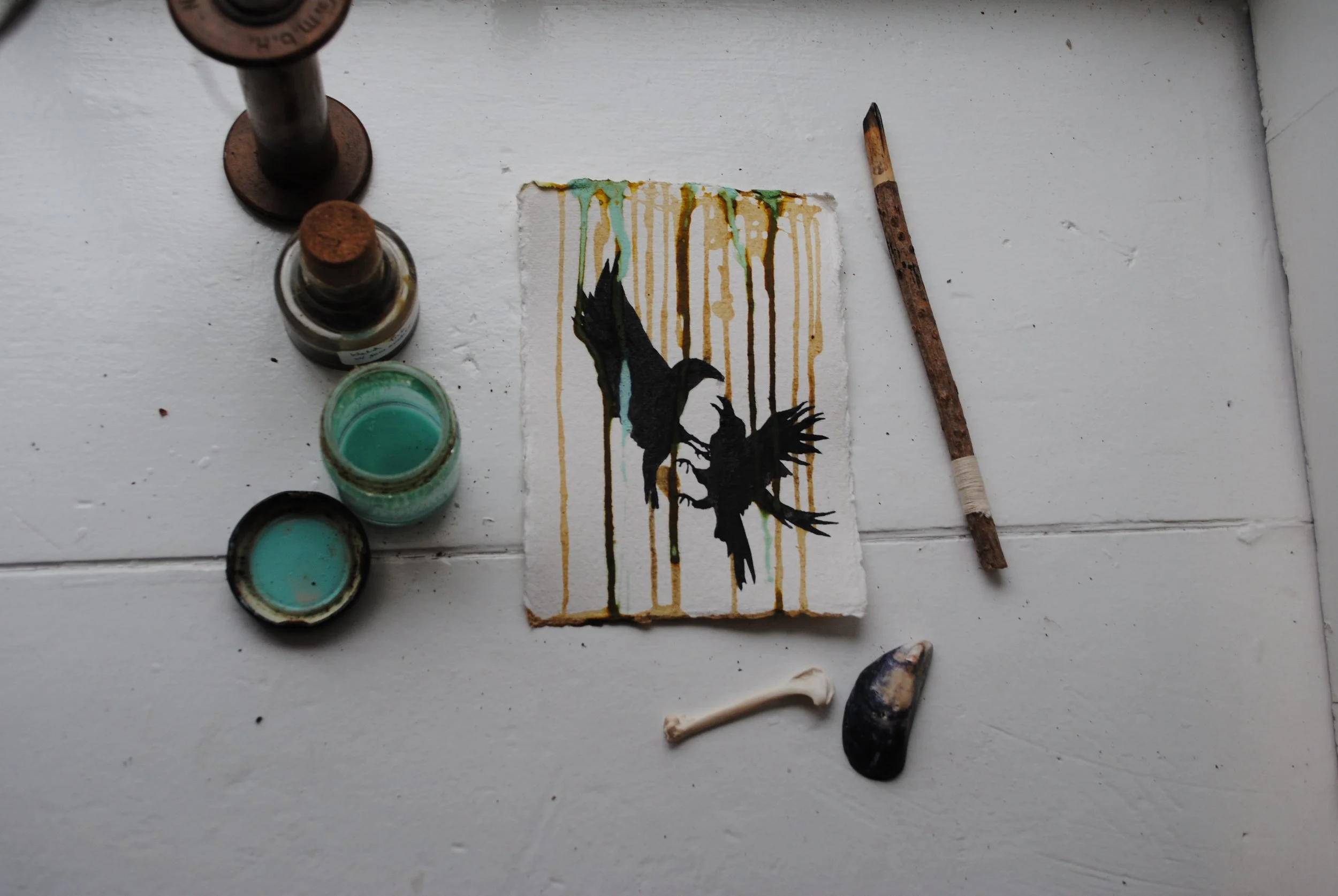
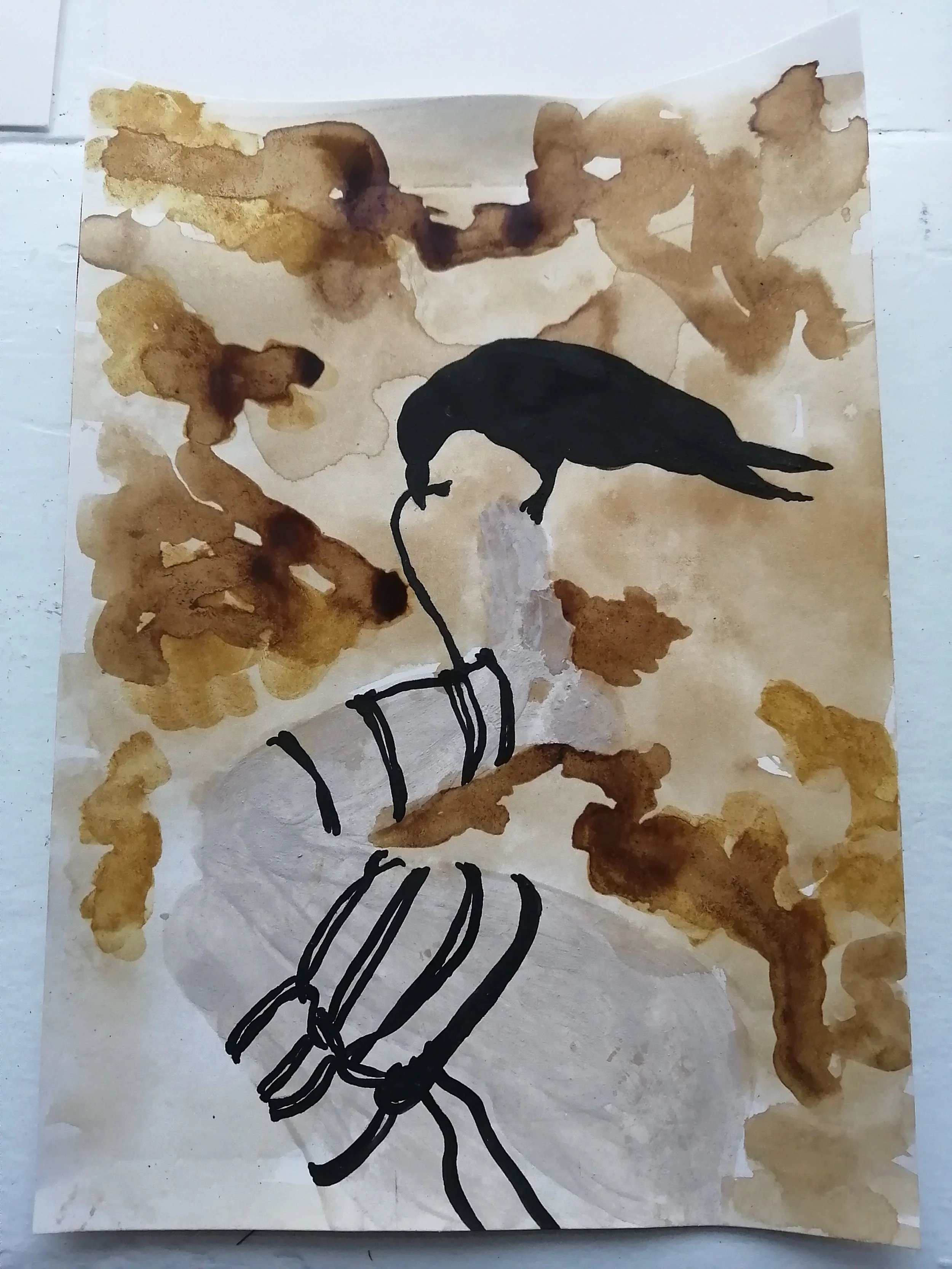
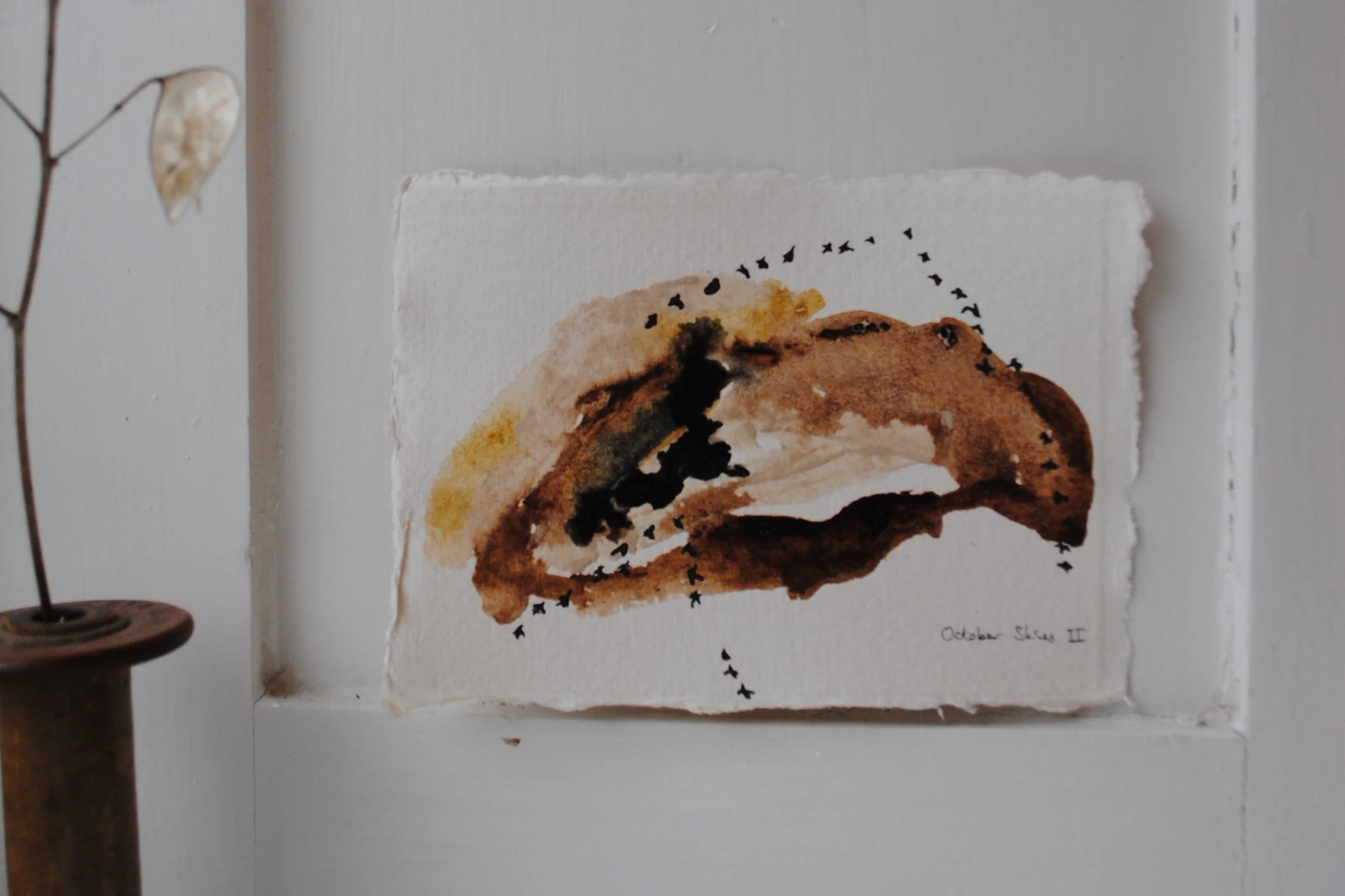
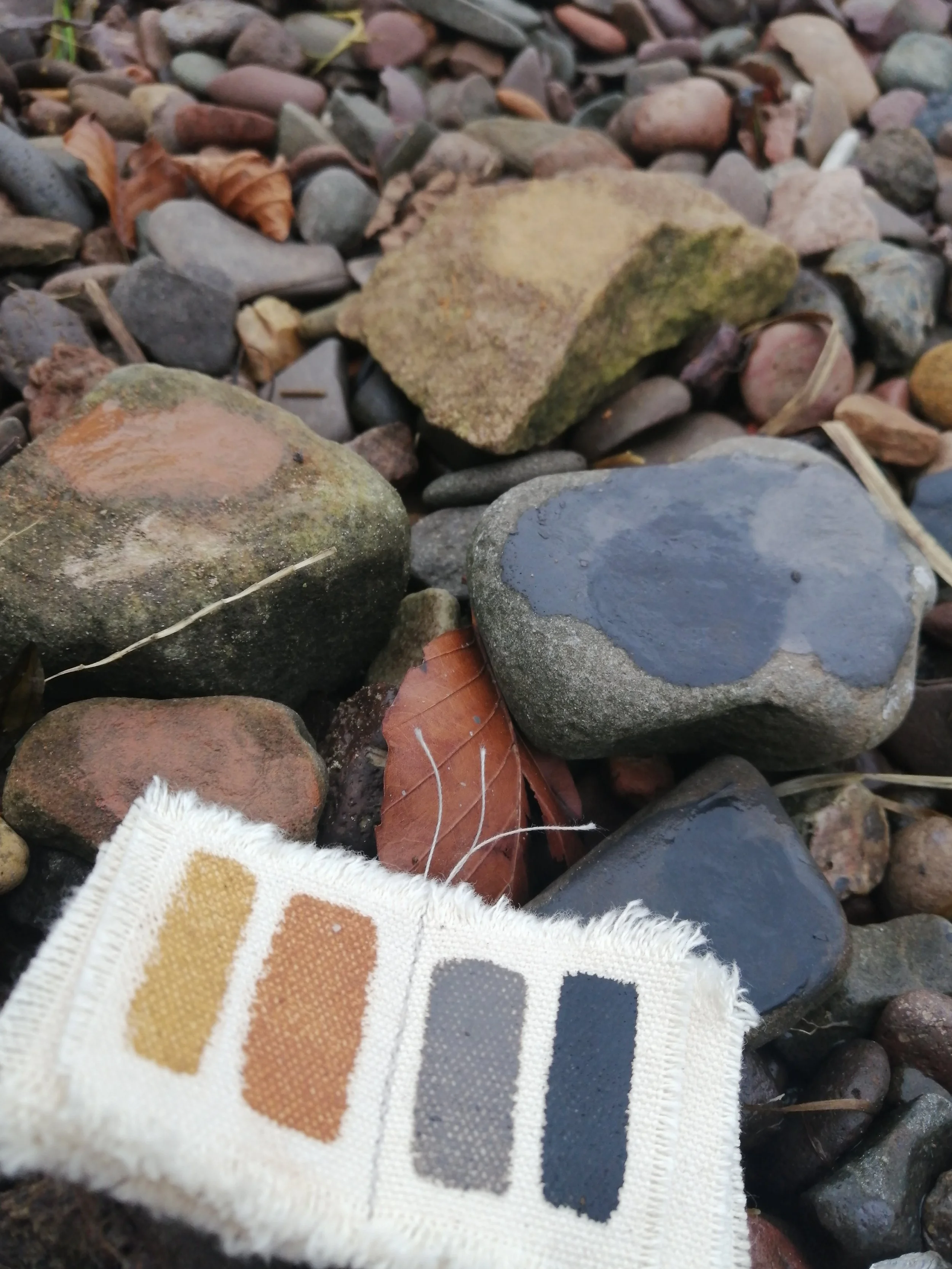
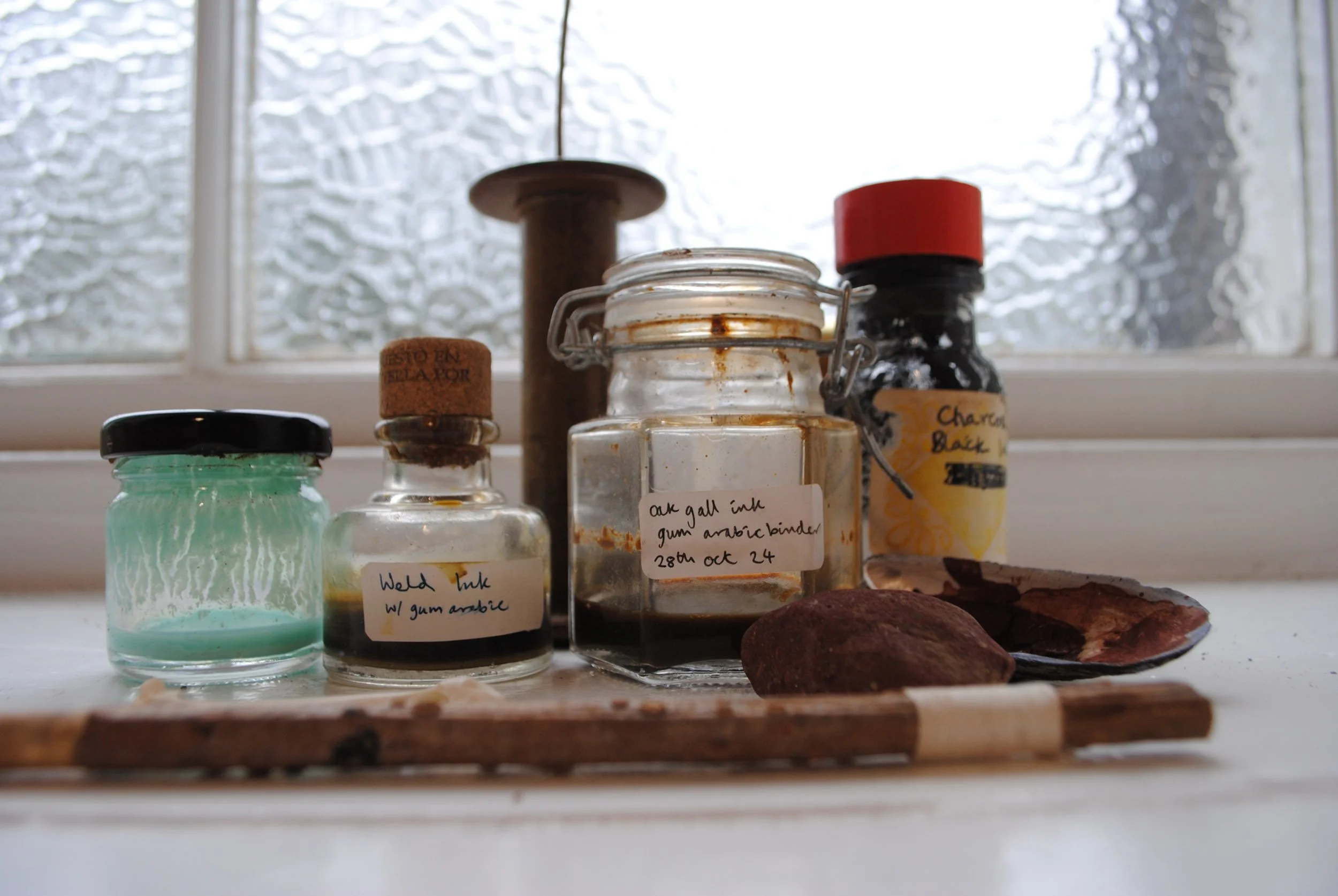
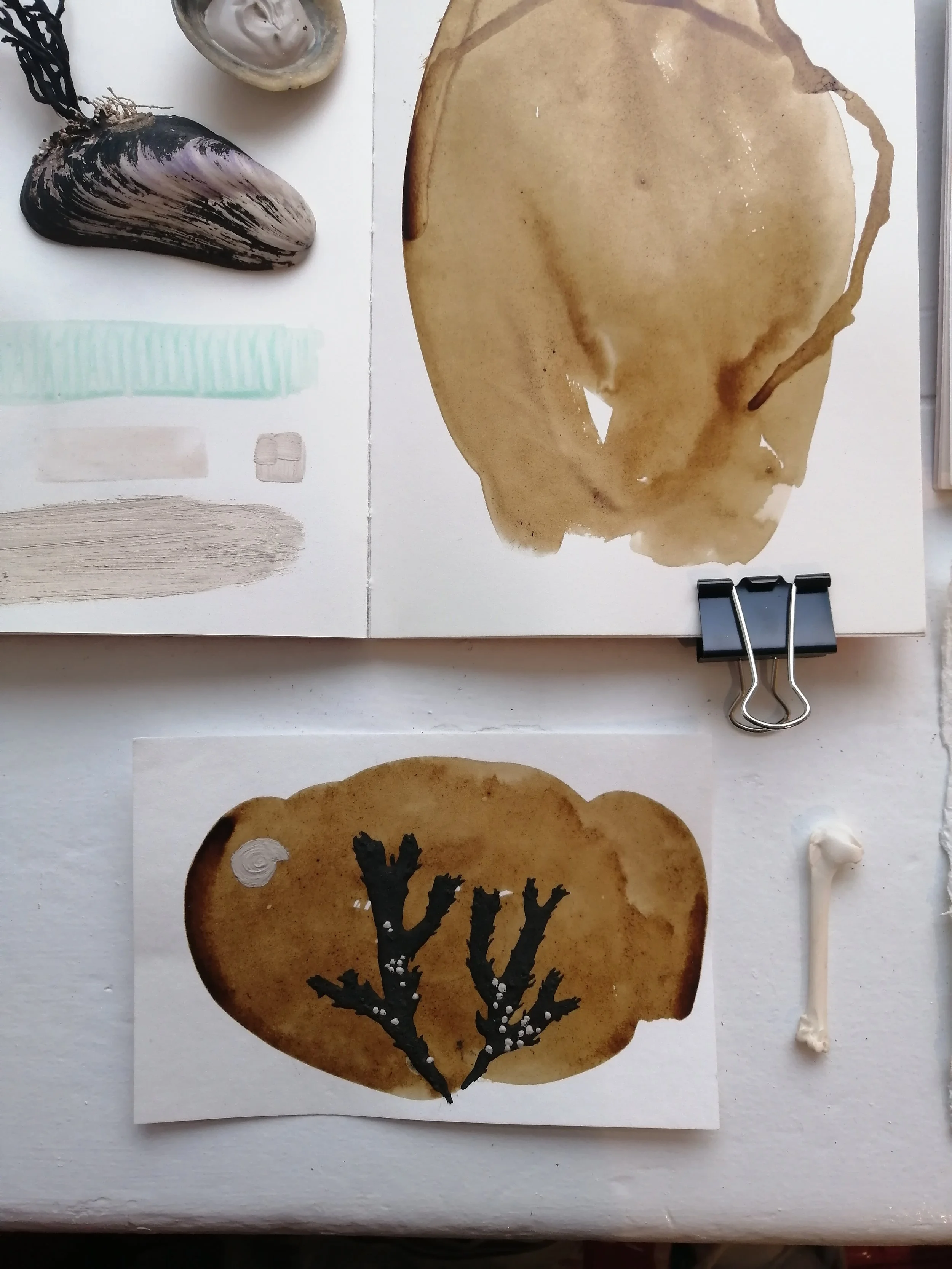
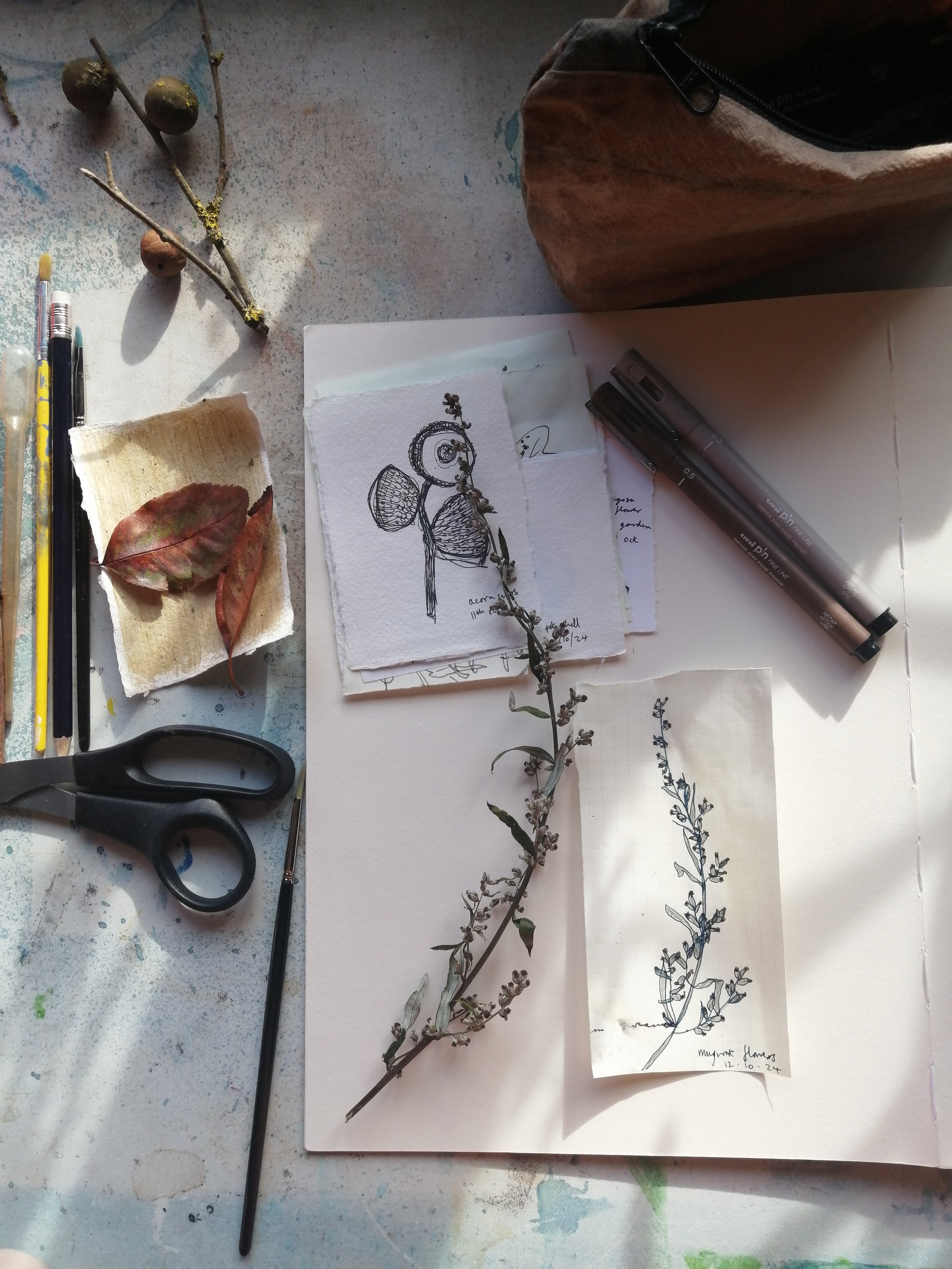
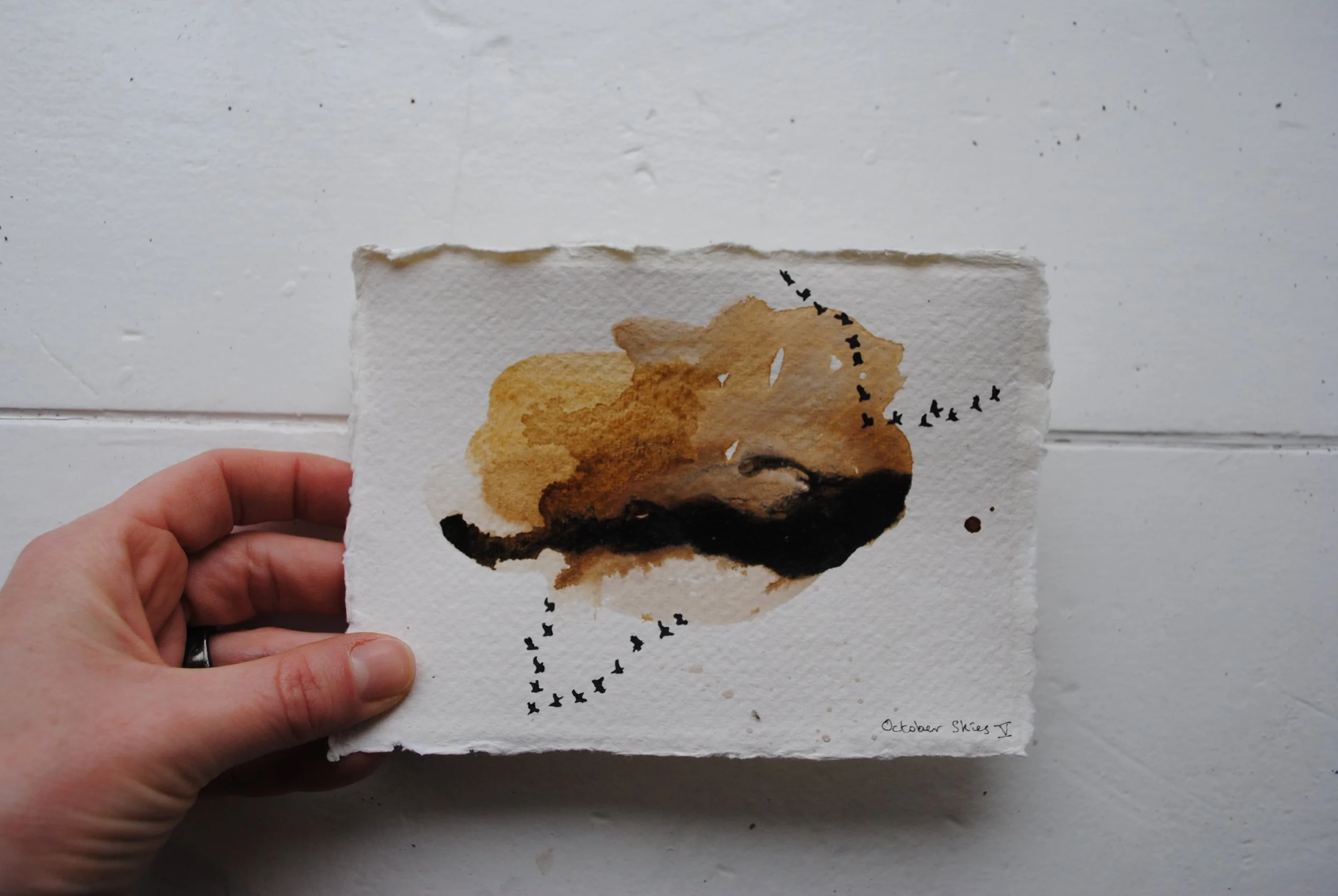
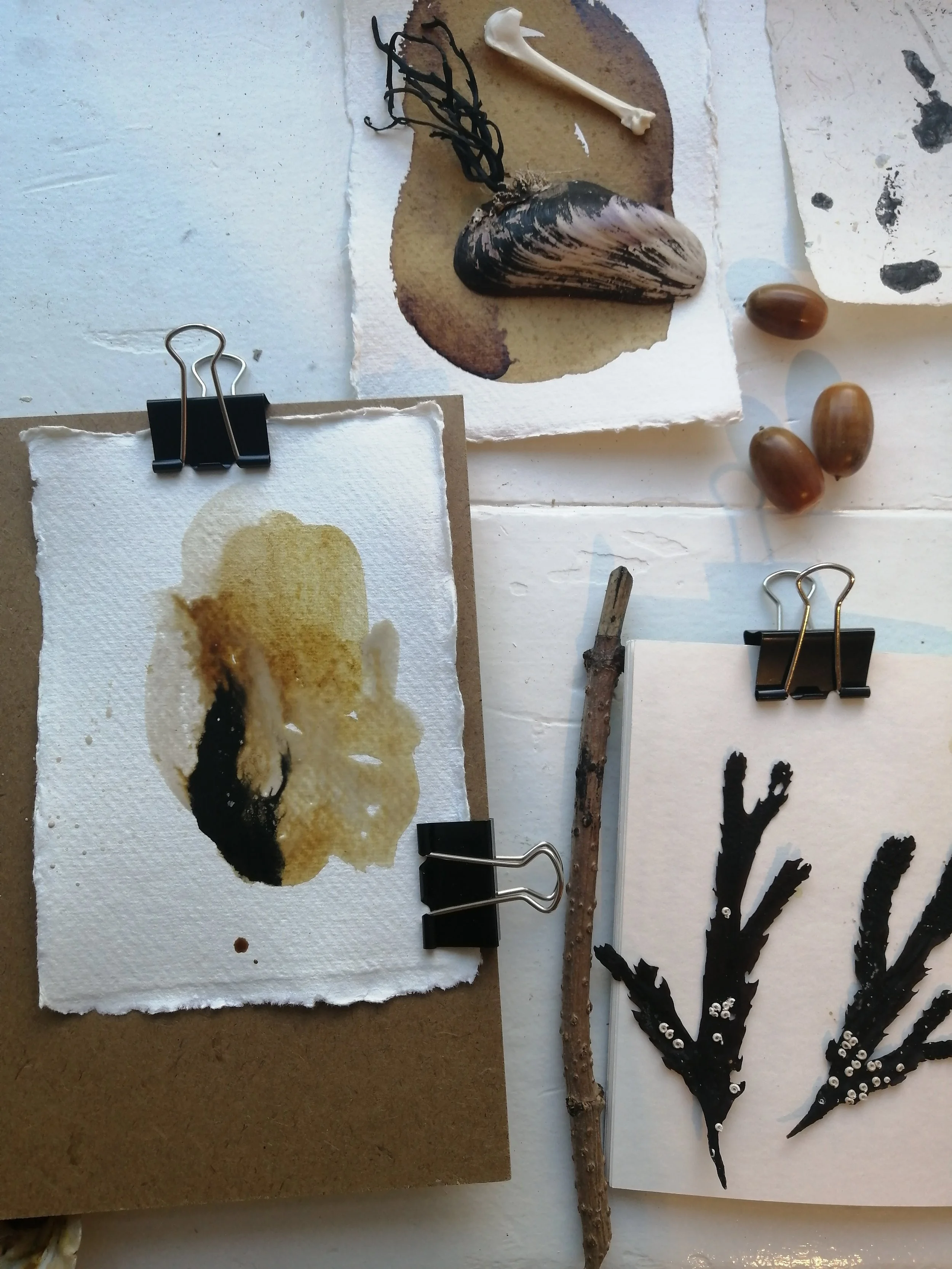
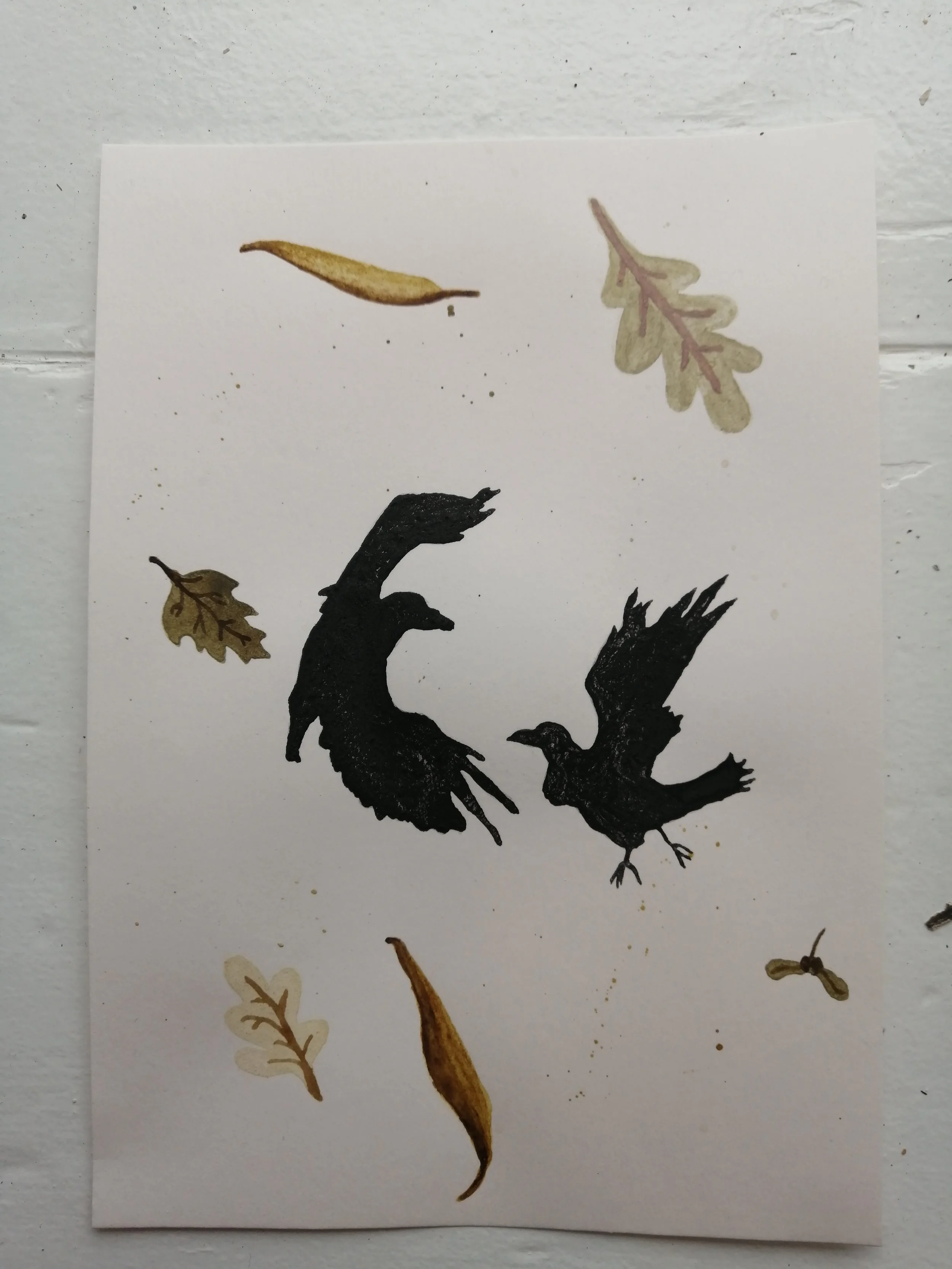
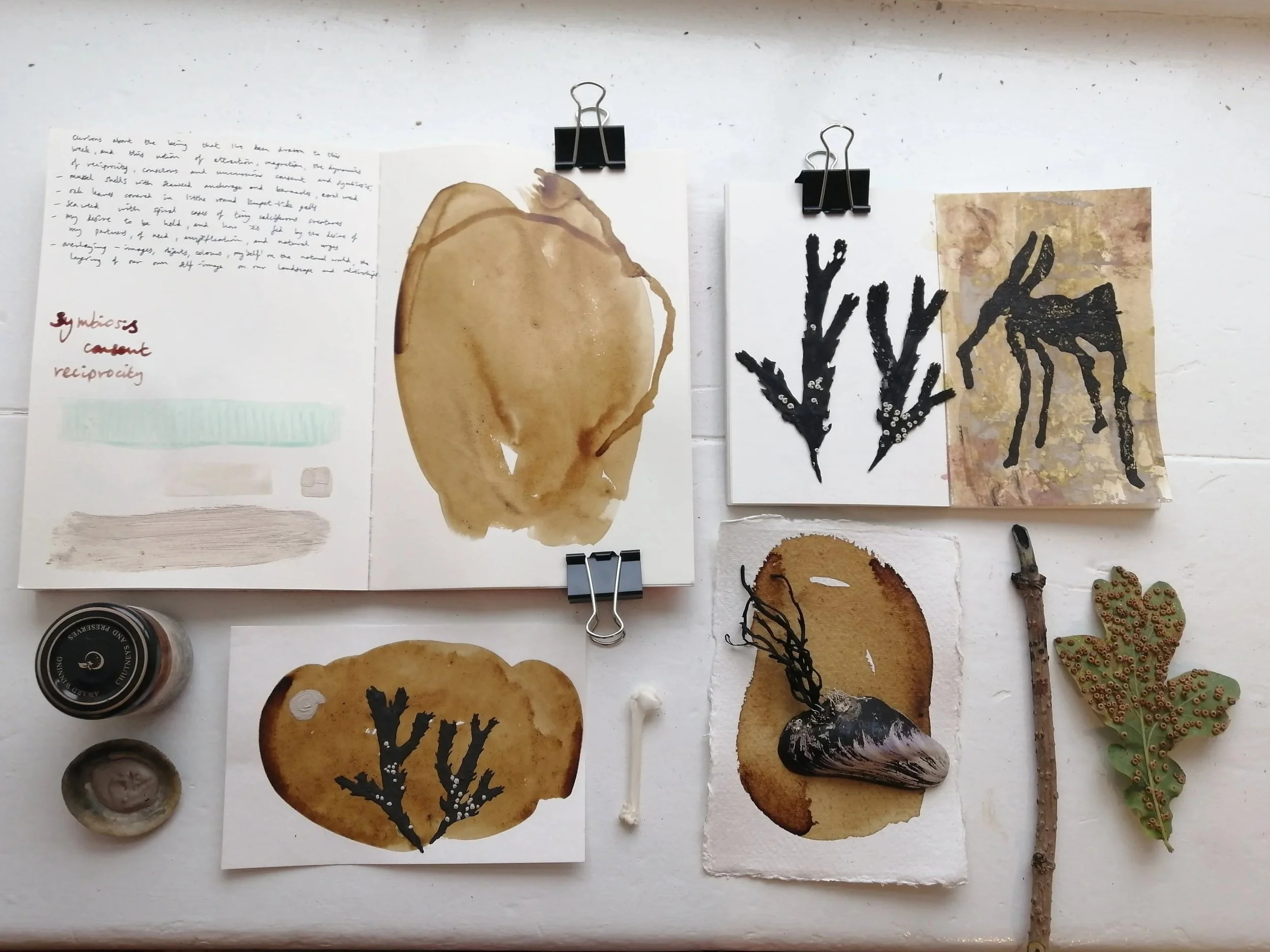
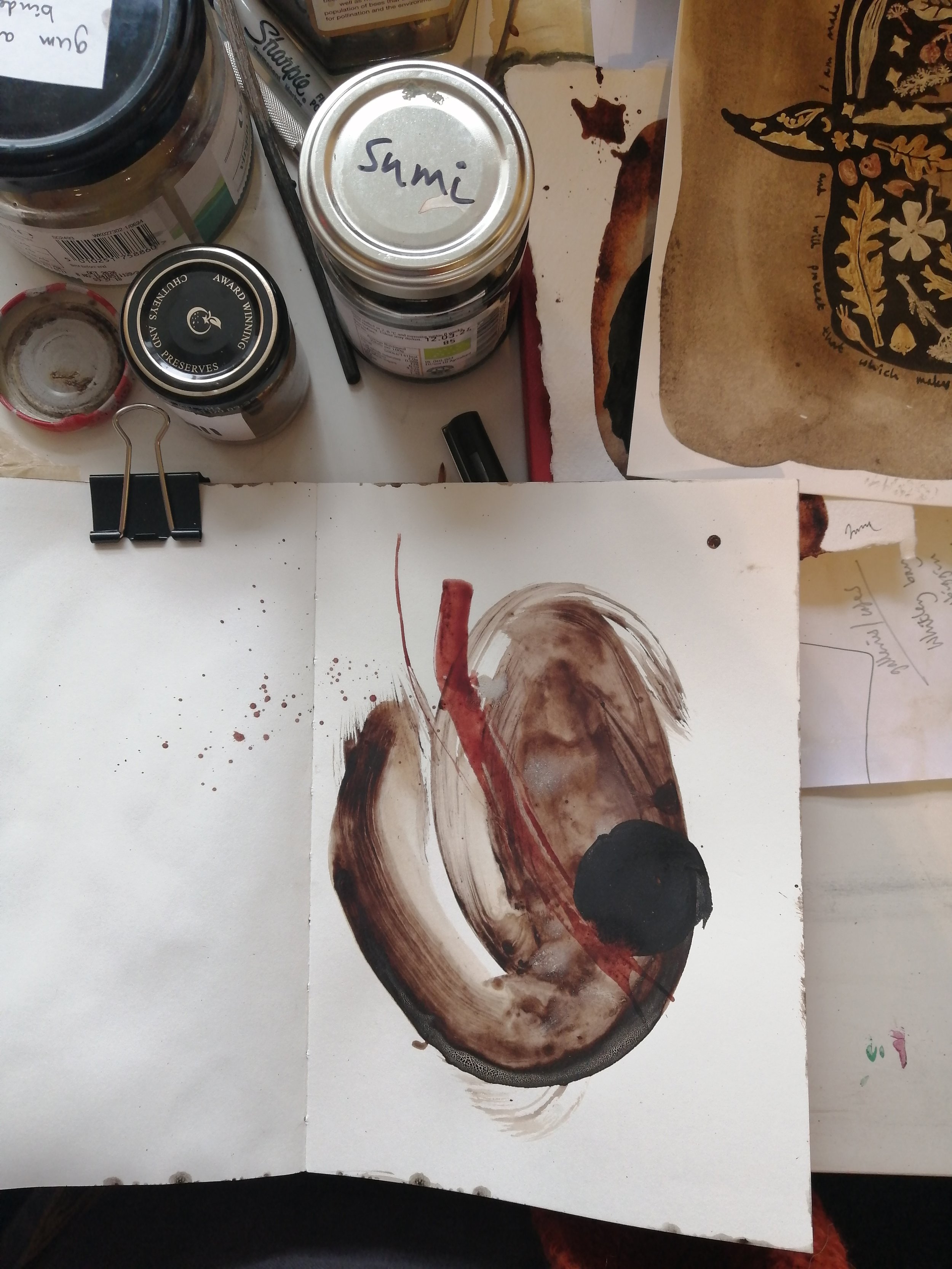
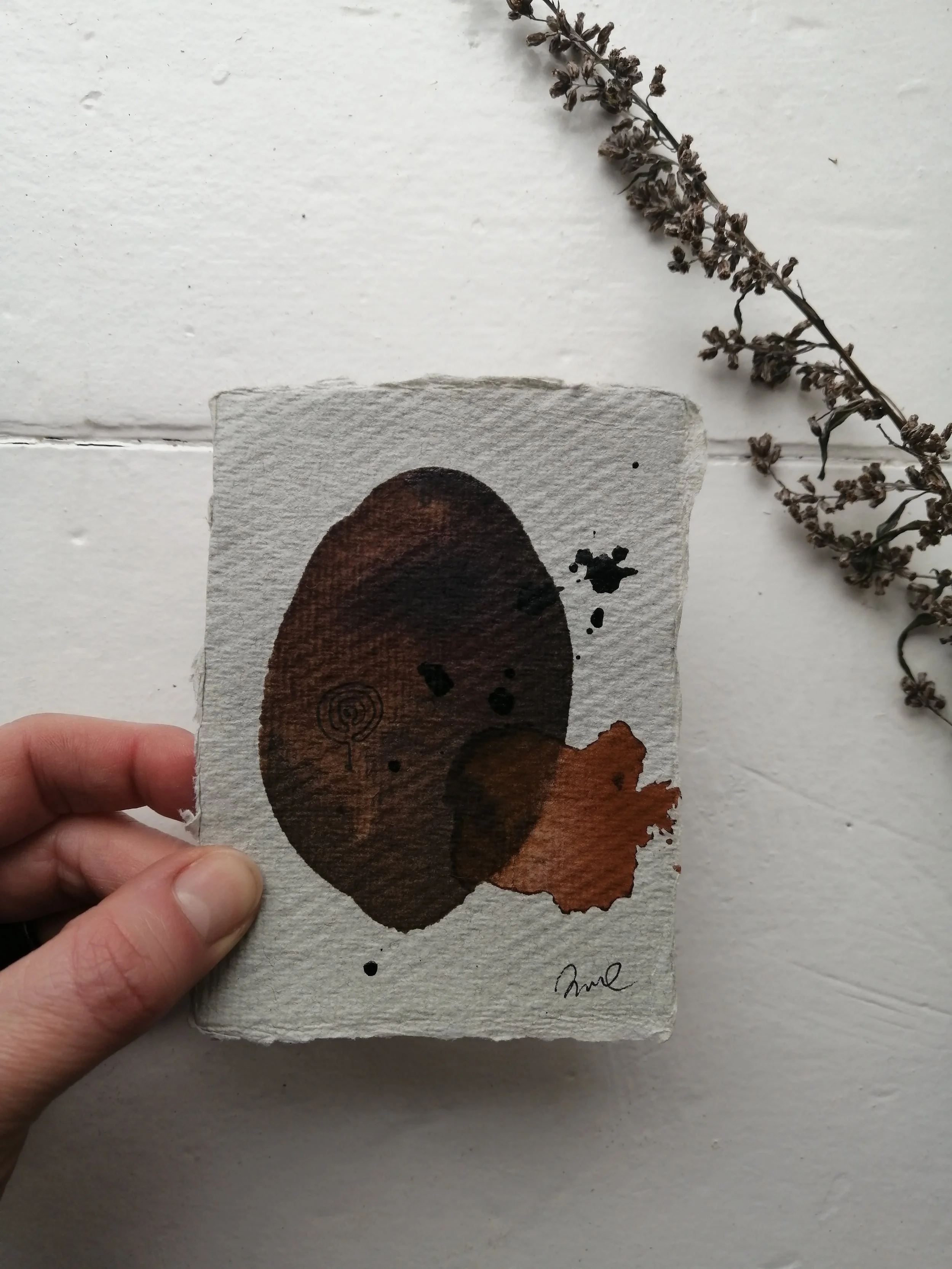
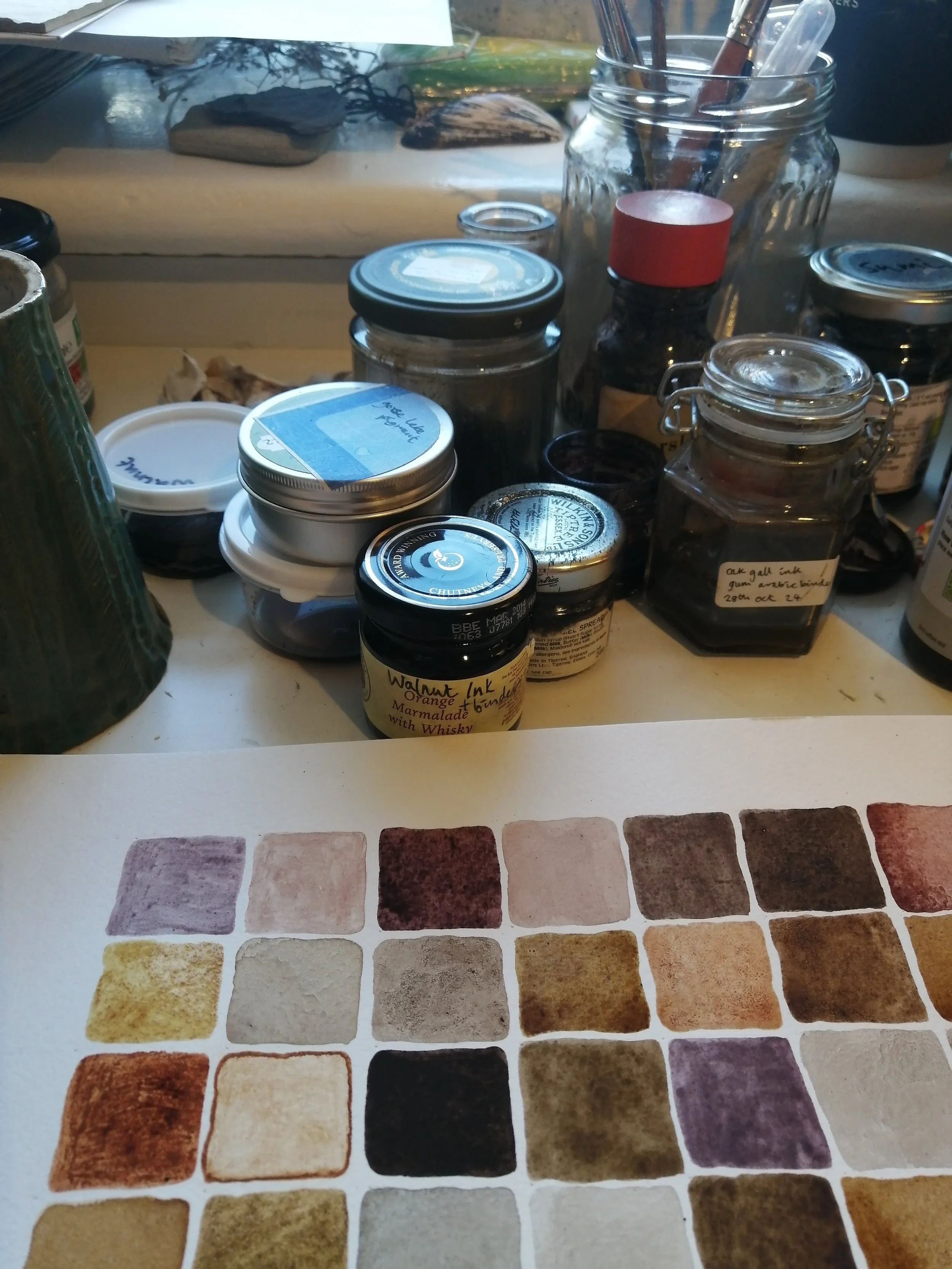
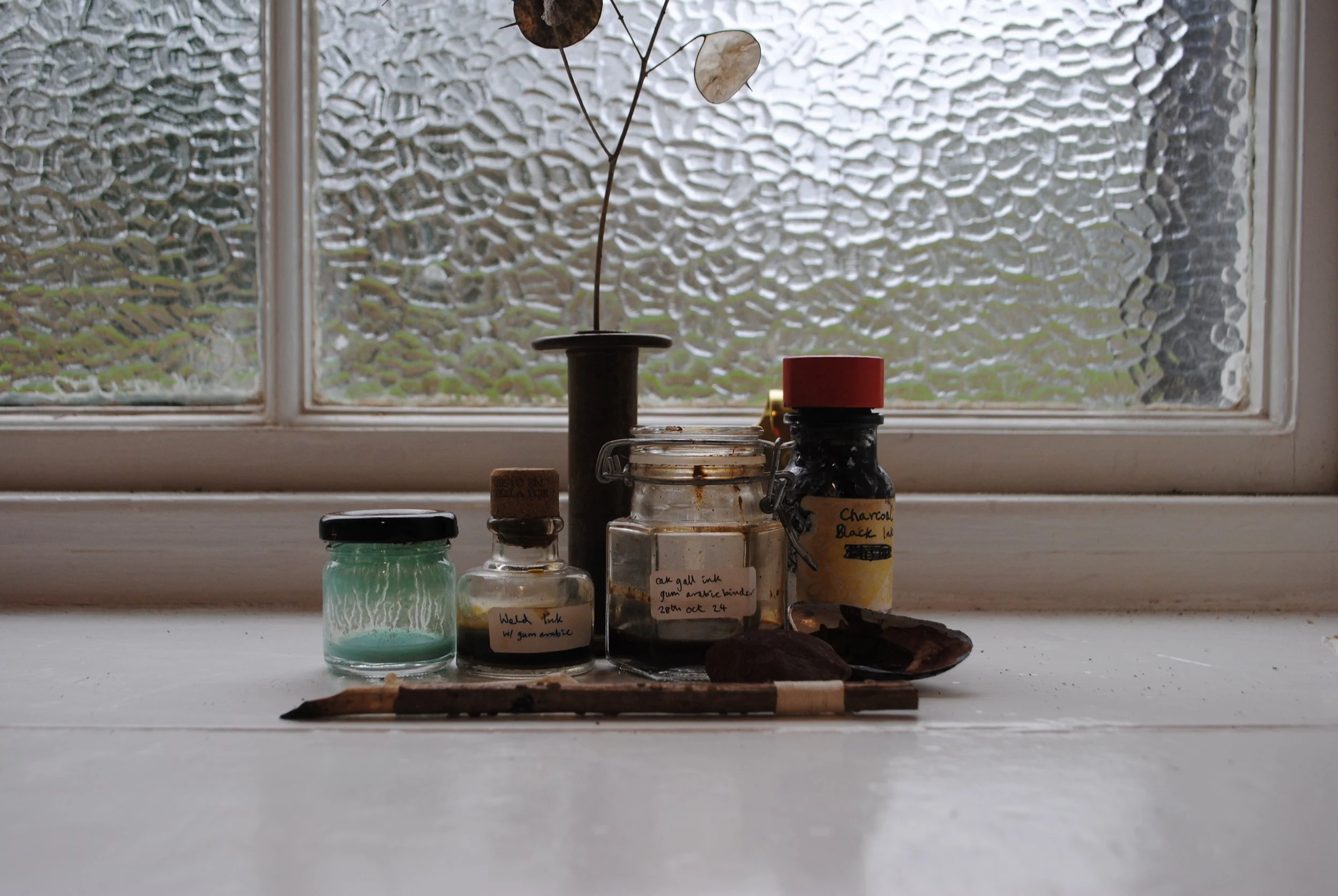
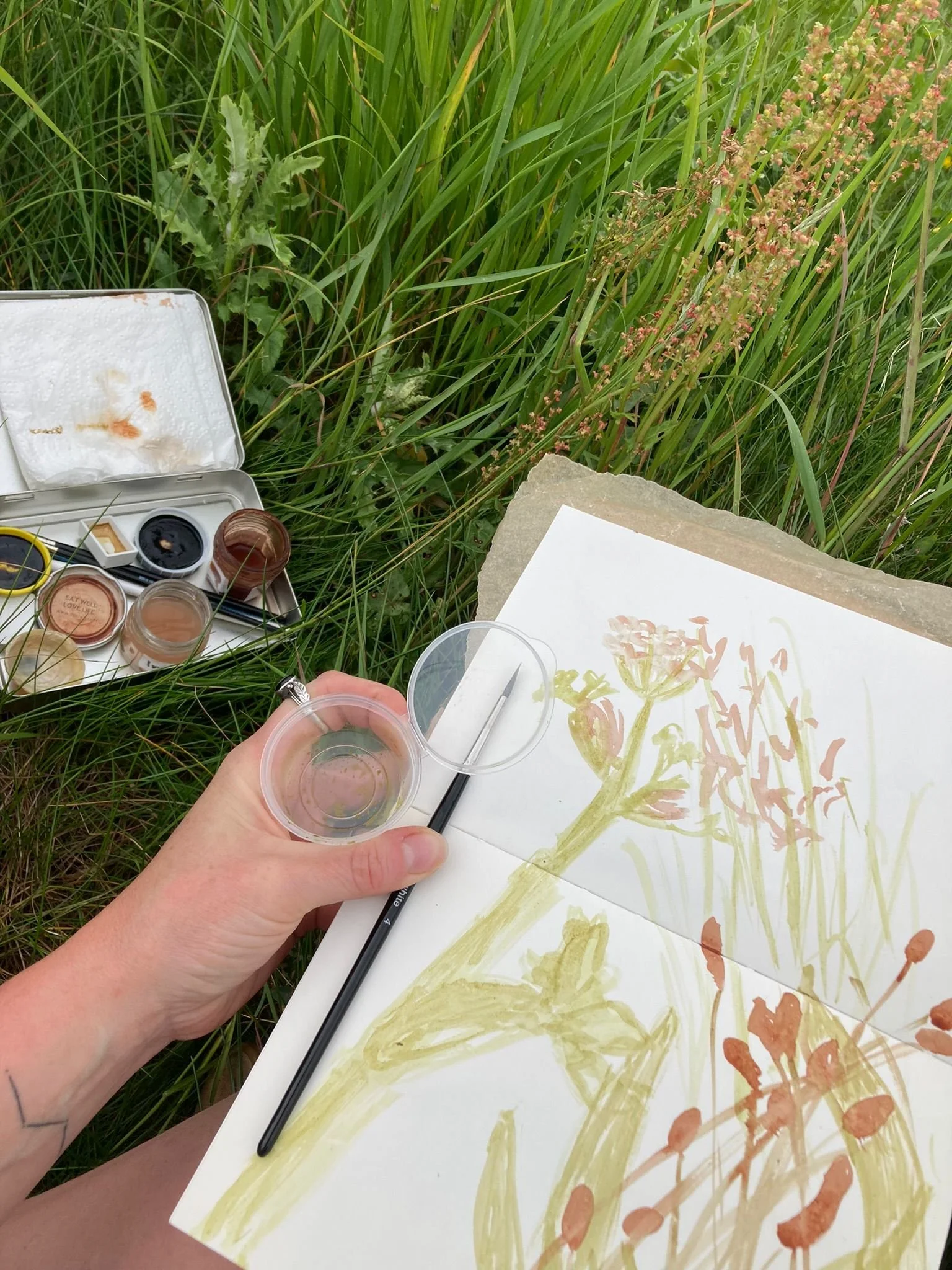
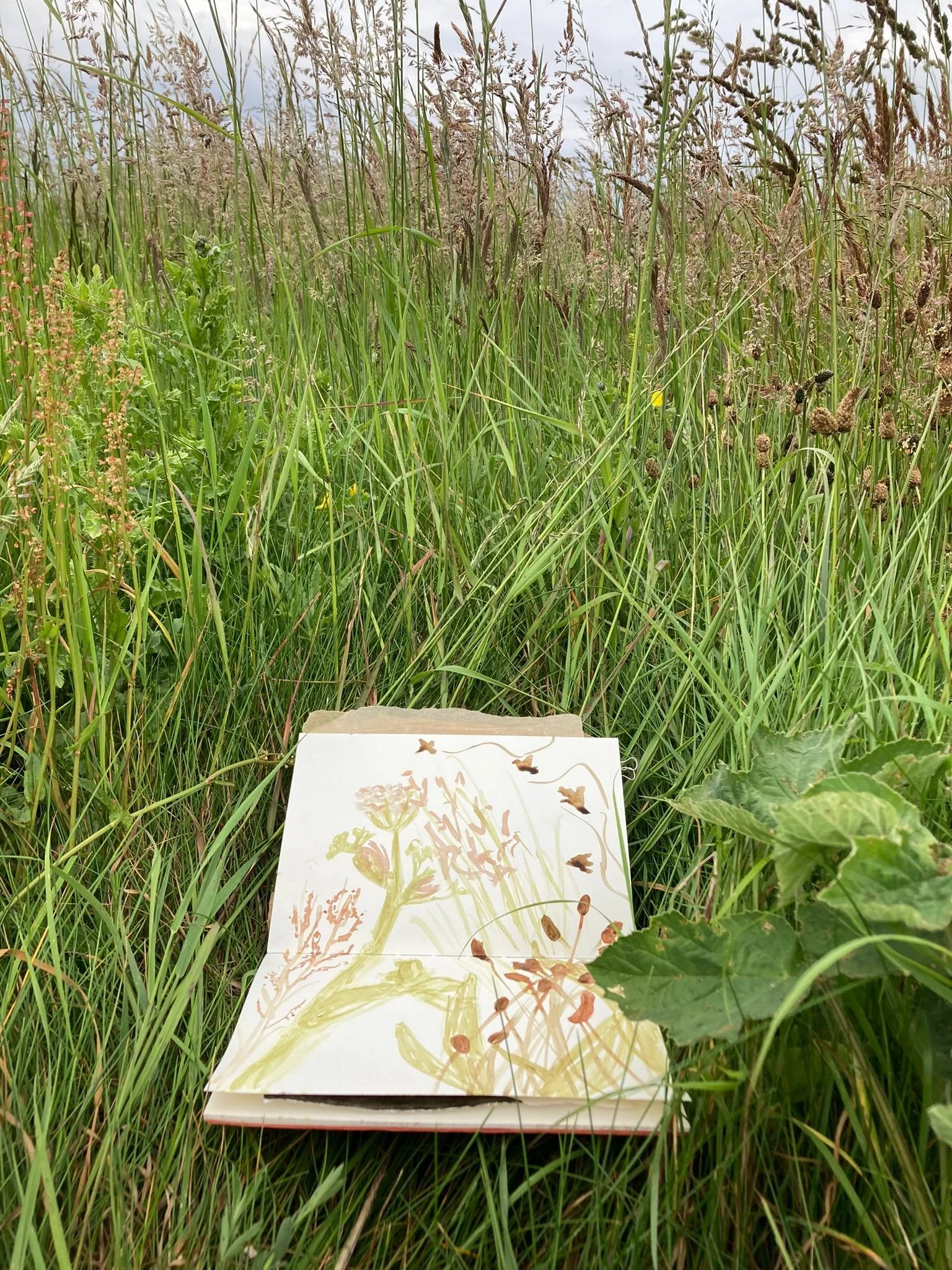
I work mainly with natural pigments that I make from locally gathered plants, rocks and earth. There's something deeply satisfying about creating colour from the places I know well. It slows me down and encourages me to pay attention, not just to what's there, but to the relationships between people, place and the passing seasons.
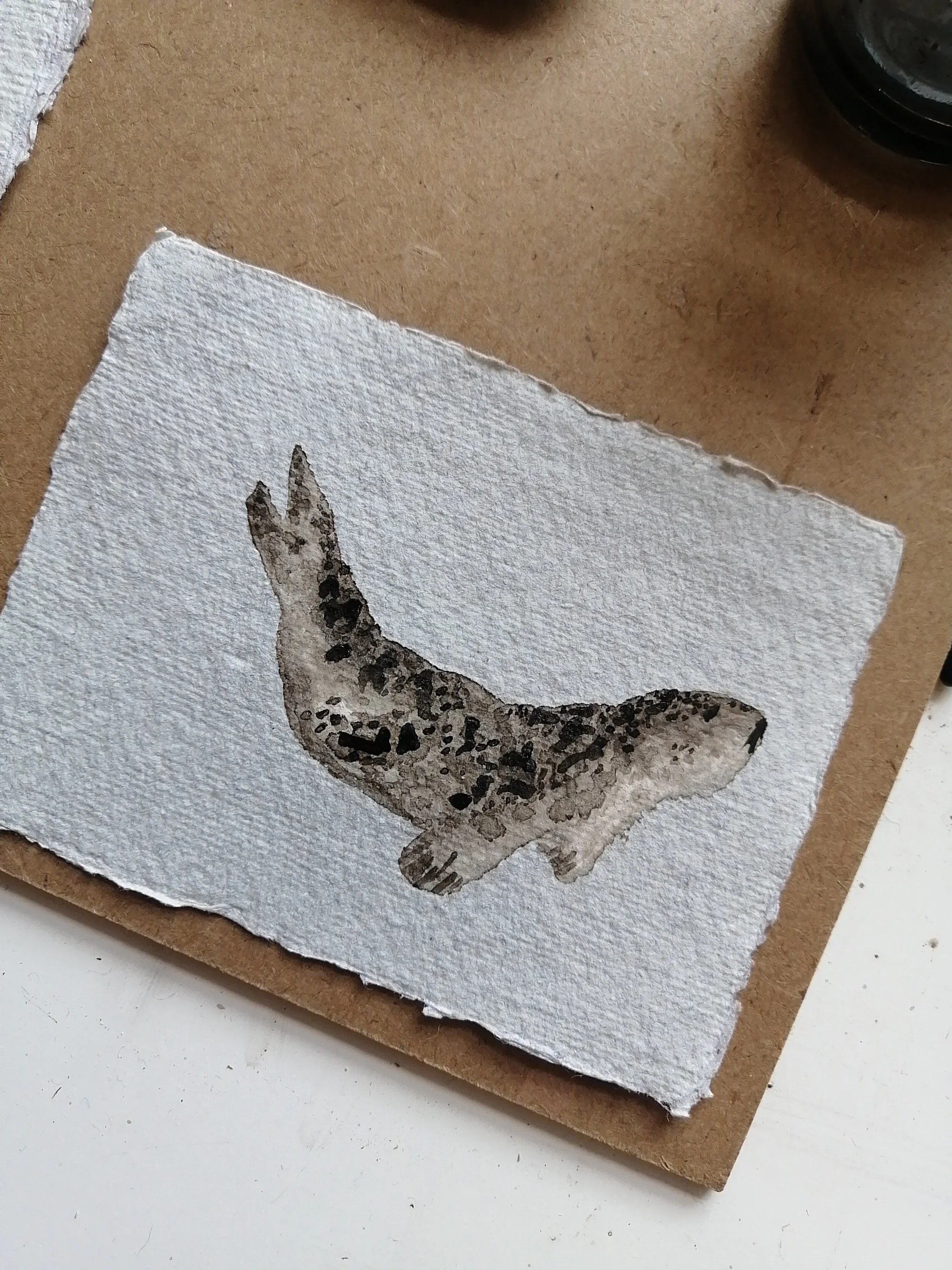
I'm interested in wild plants, weeds, the overlooked ones or the ones with a history. The inks and pigments I make are never entirely predictable; each one reflects the landscape it came from and is tied to a place that I am, too. Rather than trying to control every outcome, I enjoy collaborating with these natural materials and allowing them to shape the work alongside me, and lead me into deeper connection.
Alongside painting and drawing, my practice often includes collecting, writing and making by hand. I see creativity as another way of connecting with the natural world, that sits comfortably alongside foraging, walking and simply spending time outside. I’m never not foraging and I’m also never not being creative.
If you've found your way here through one of my workshops or Substack, you'll probably recognise many of the same ideas. Whether I'm leading a group or working alone in the studio, I'm exploring the same questions: Who are these beings that we share our landscape with? What messages are there in this other-than-human world? What is my place here?
I hope my work encourages a sense of curiosity, belonging and connection with the landscapes around us.
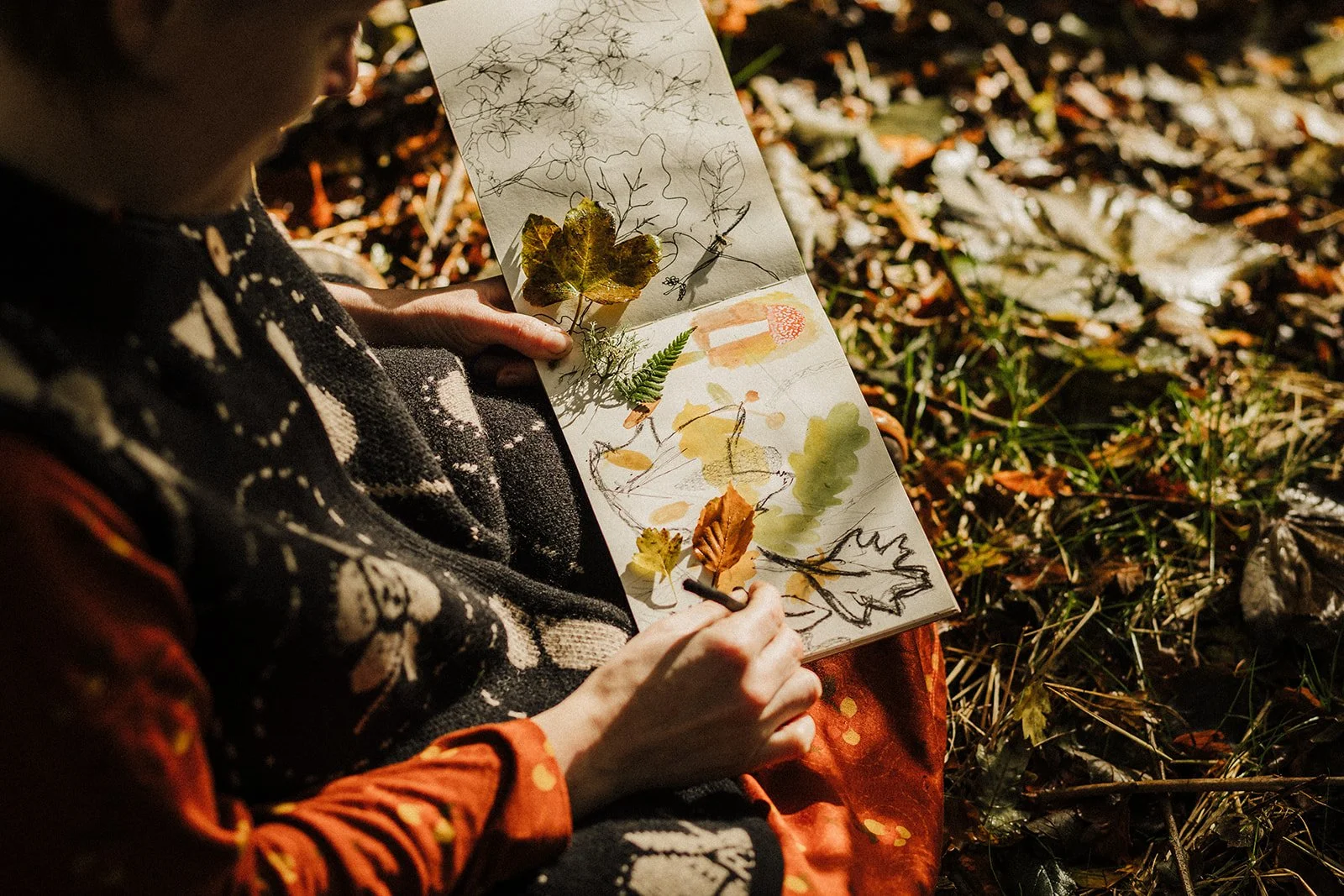
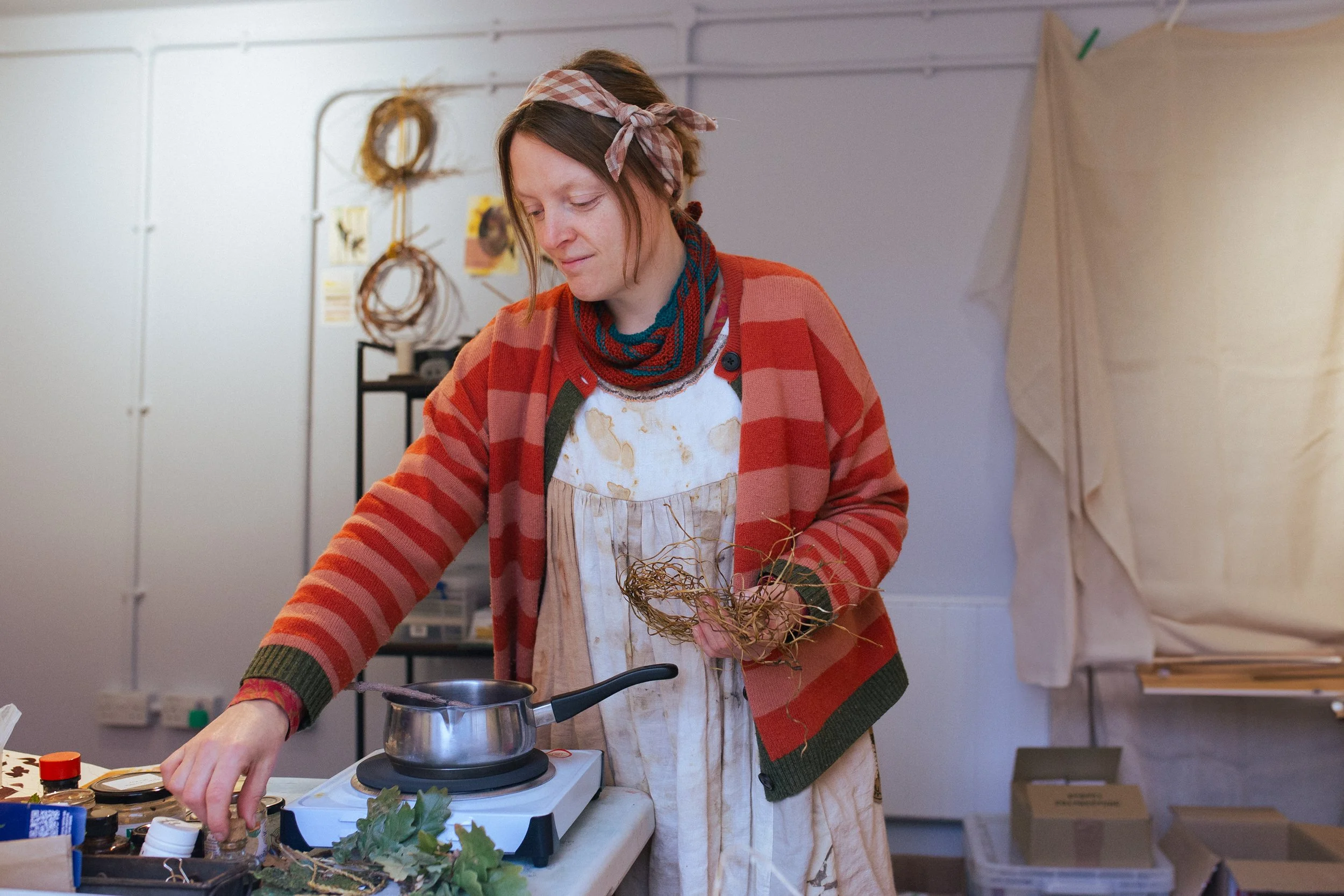
Image by Charlotte Payn, courtesy The Maltings (Berwick) Trust.“my attention is always in the verge, my eye on the plants that thrive on the edges”
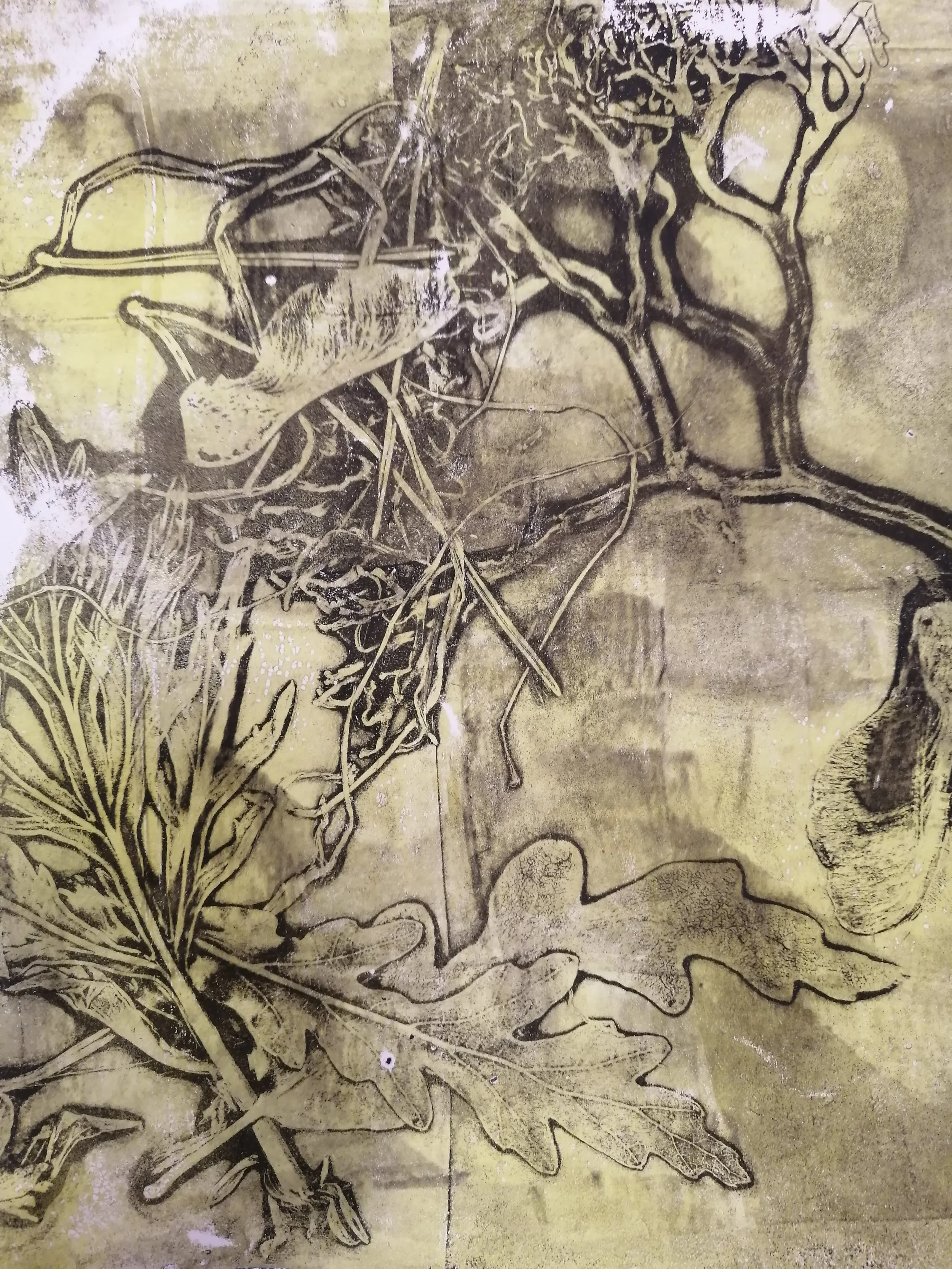
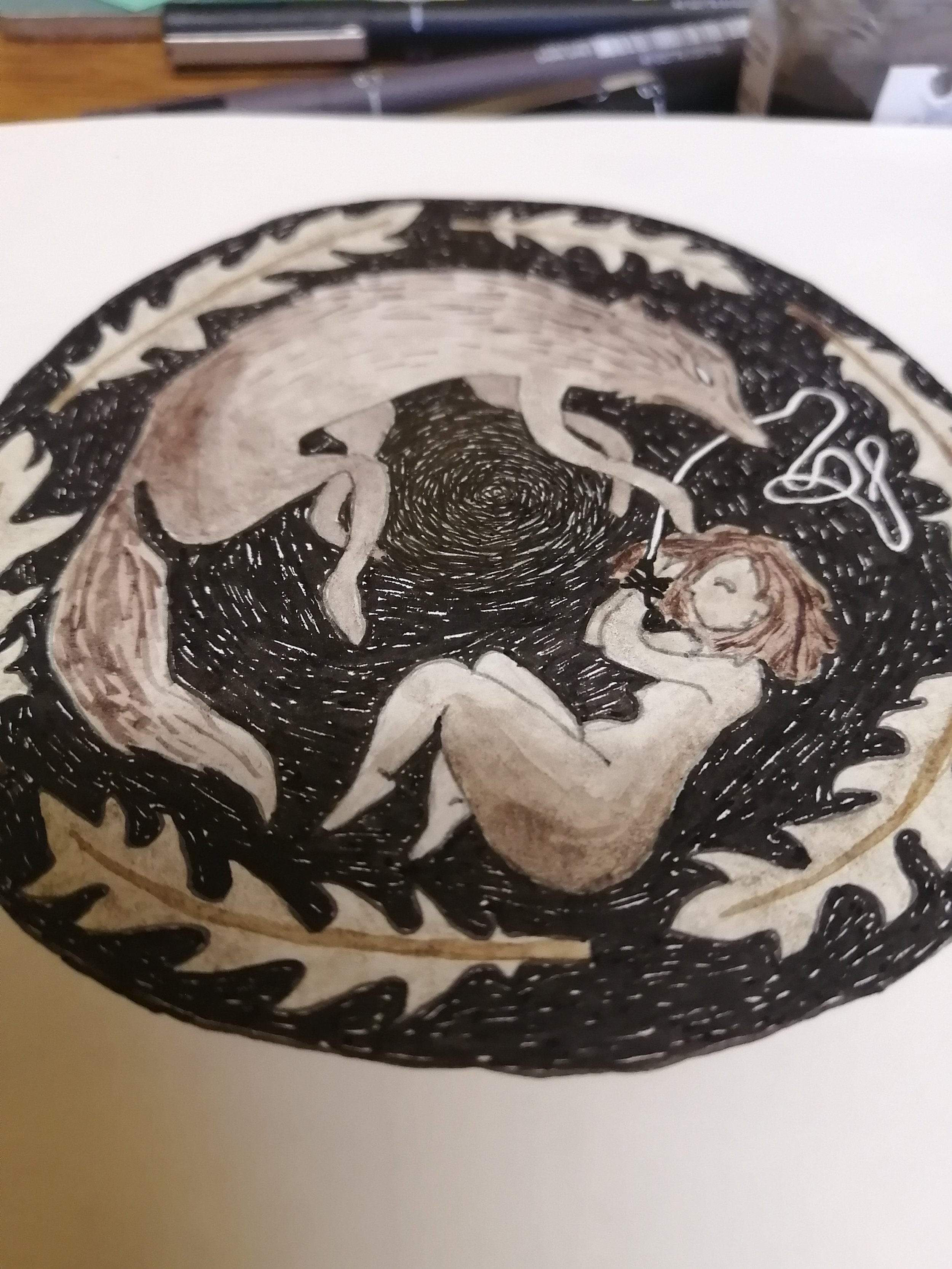
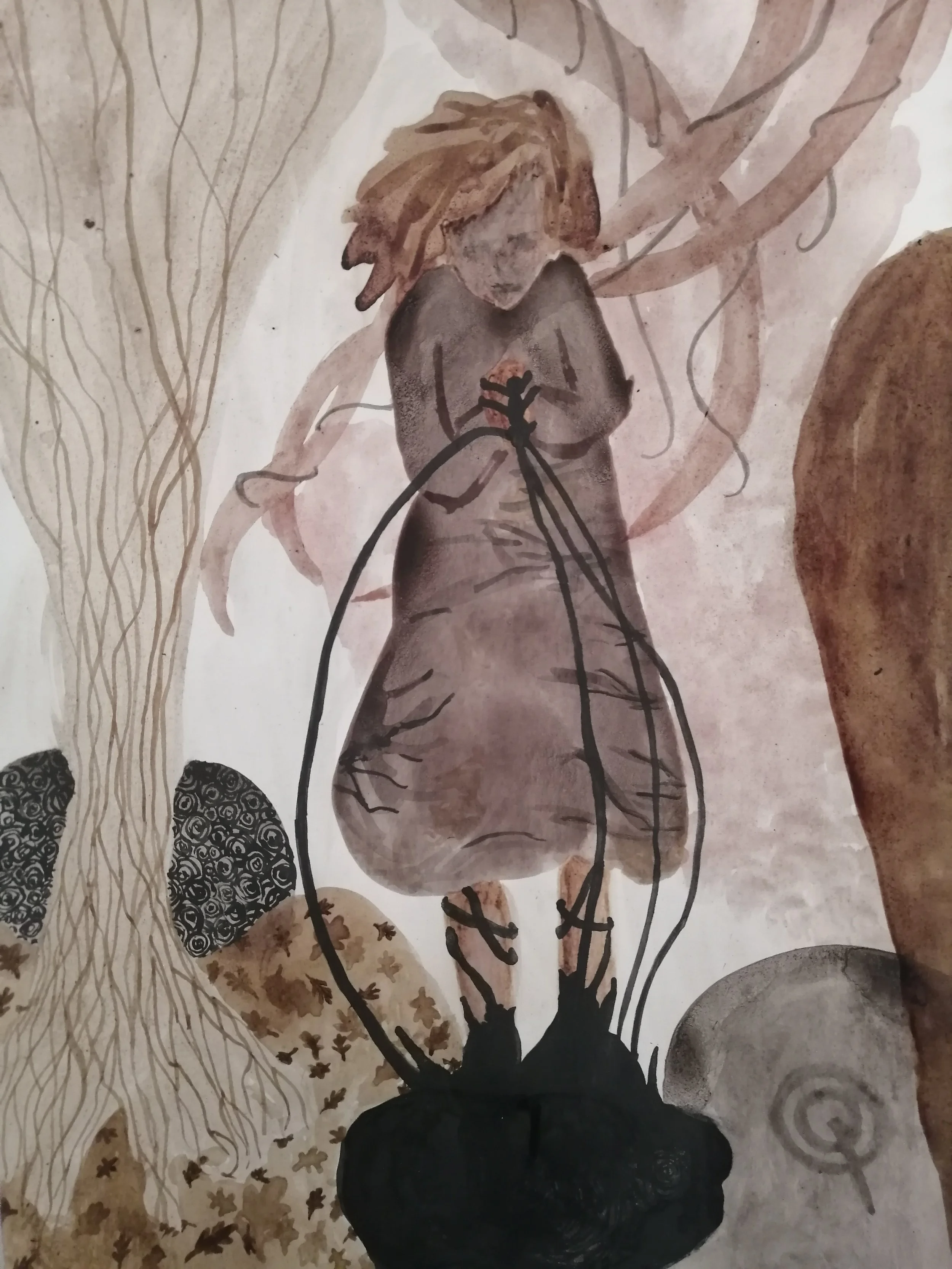
Jo Thomas is an artist whose practice is rooted in relationship with place, season, and the more-than-human world. Weaving wisdom and messages from her local landscape of coastal Northumberland and working with handmade plant inks and natural pigments, she creates oracle-style works on paper that explore belonging and inter-species communication.
Her process is deeply responsive to her wild and urban encounters, often using native trees and common weeds such as oak, nettle, and mugwort as both material, guide and collaborator.
Formerly a textile and surface designer working with natural dyes, Jo now focuses on embodied, ecological art-making that weaves together craft, ritual, and Earth stewardship. She recently undertook a residency with the Land Art Collective in Dartmoor and regularly teaches creative and land-based workshops that invite others into reciprocal connection with nature.
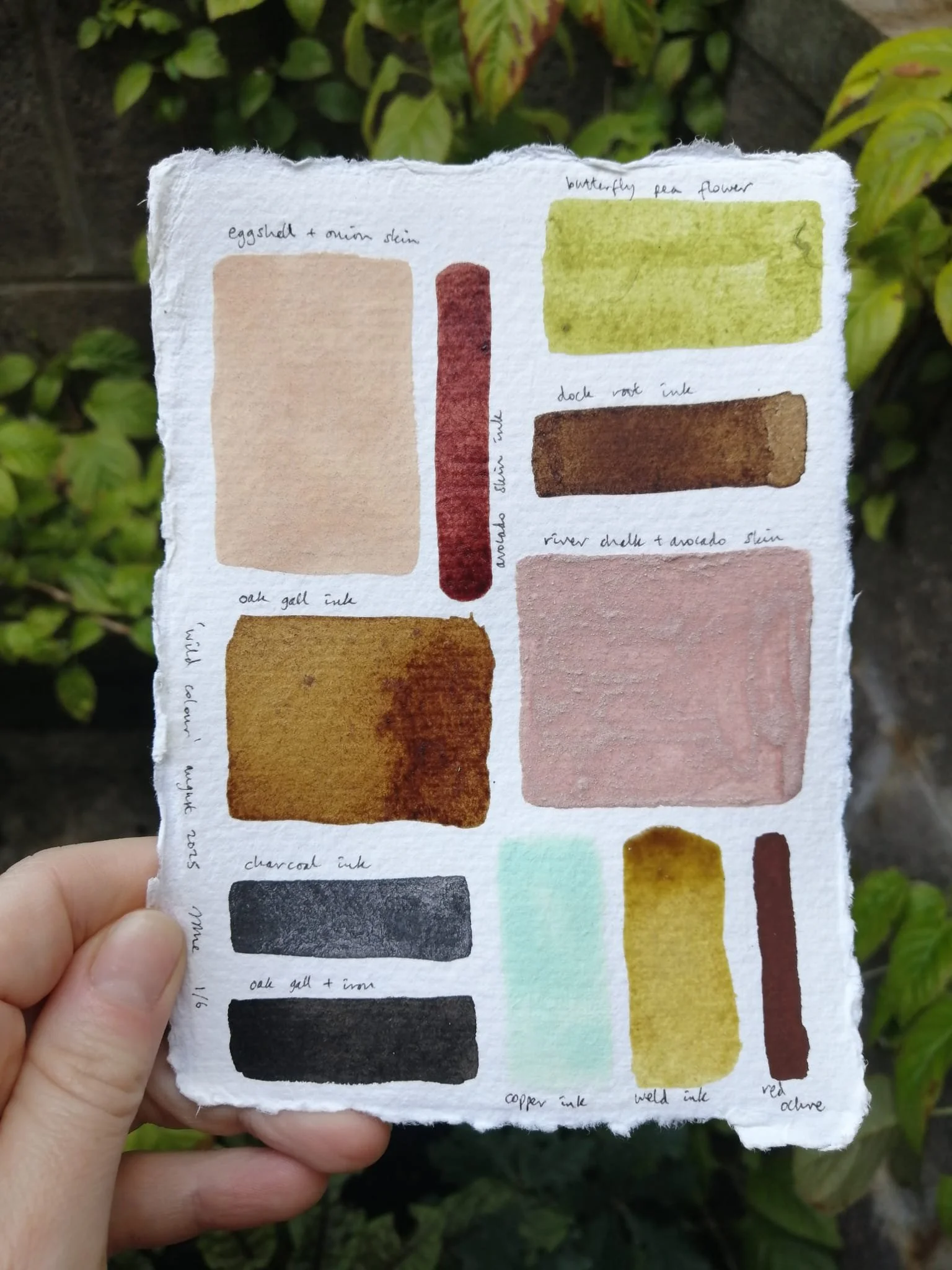
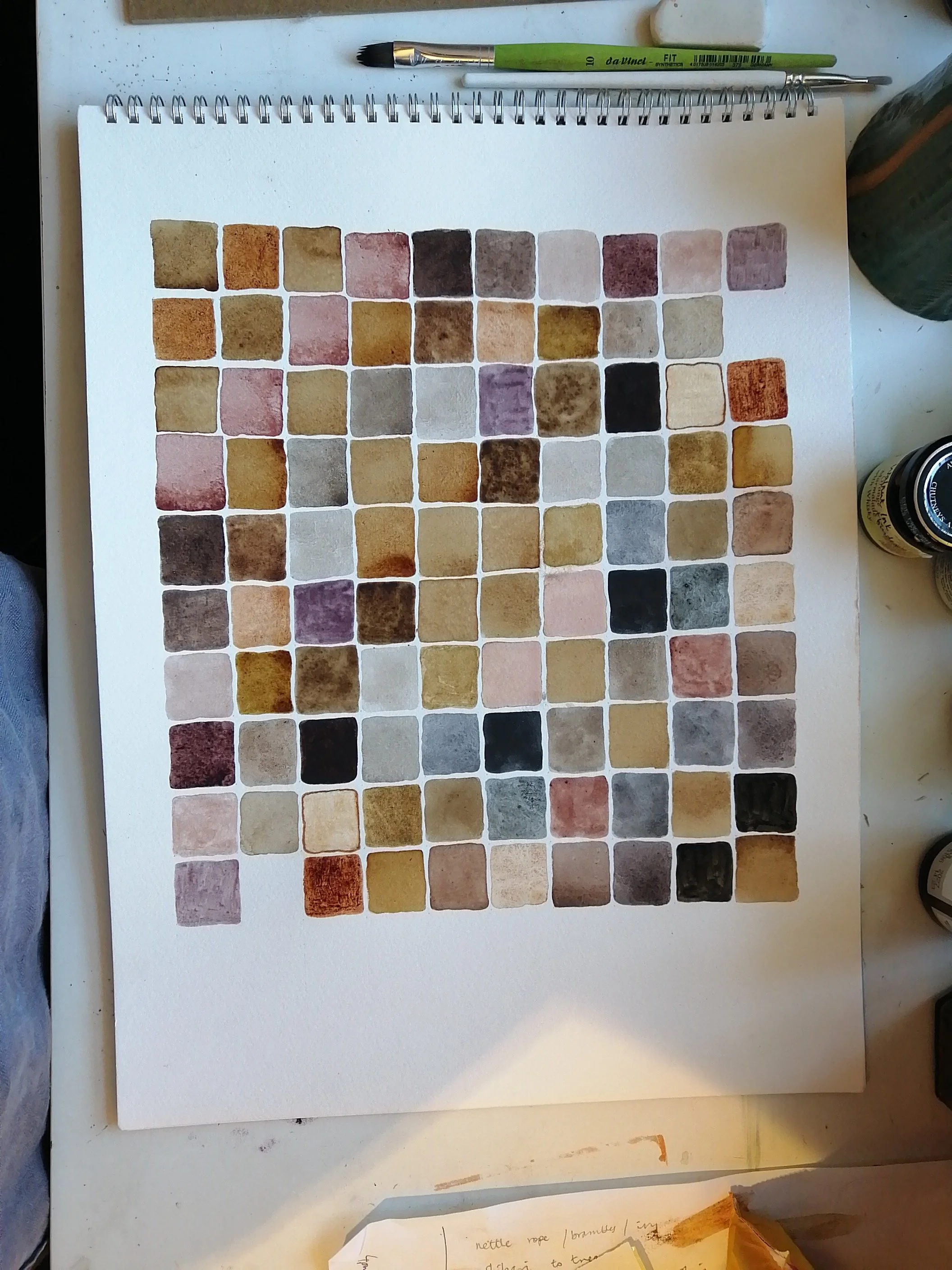
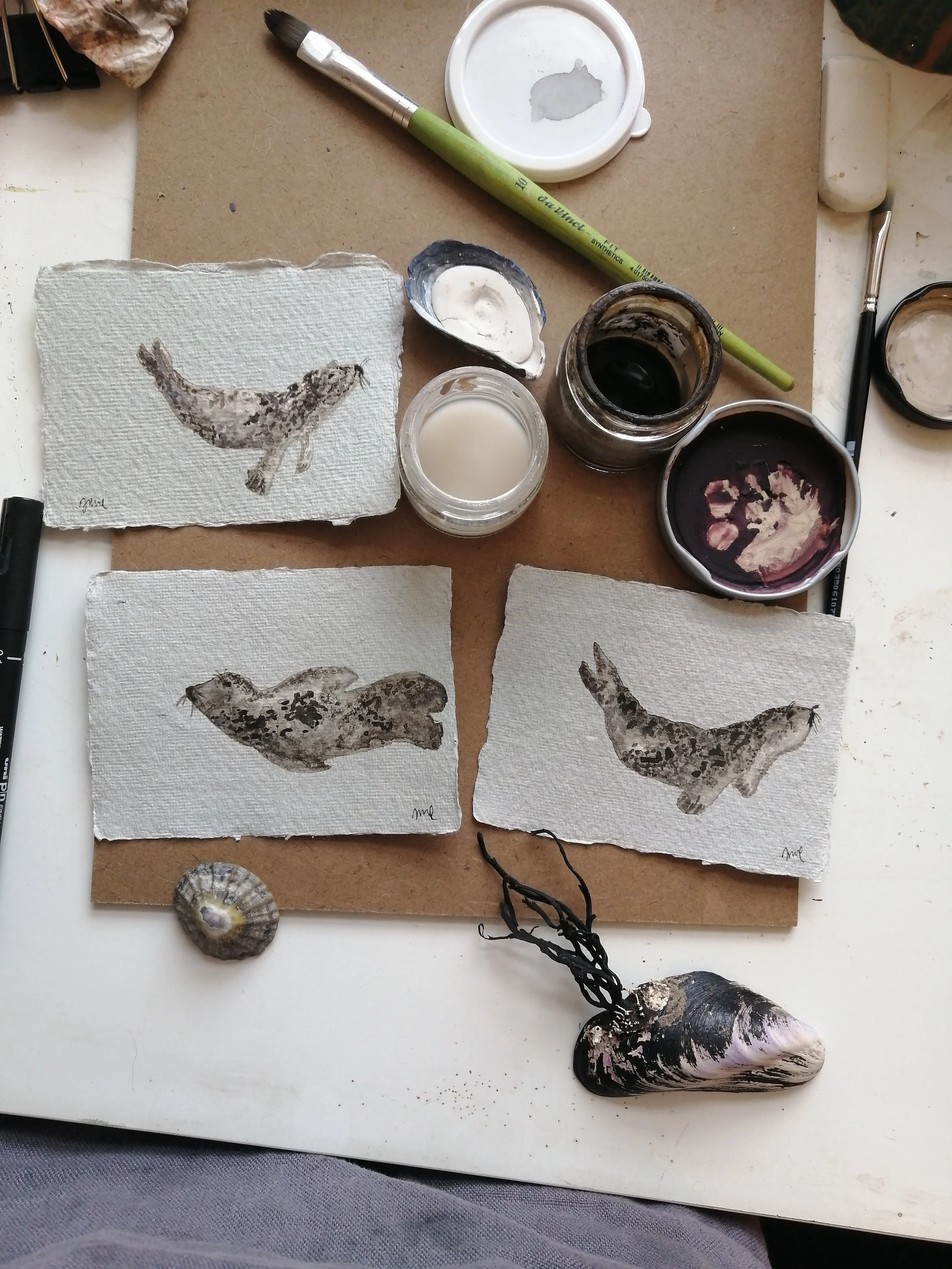
In her work she weaves together themes of belonging vs isolation, interconnectivity and the forgotten; she explores weeds as useful beings and uses these nature-based metaphors to find her place in the world. The materials she uses are always thoughtful and the processes slow and seasonal, and she has been creating a larder of natural pigment colours for some time, allowing the unpredictability of natural inks to direct her response to life.
Exhibitions and Projects
-
This September and October 2026 I will be opening my studio as part of the very first Berwick-wide Open Studios festival. It will be a great opportunity to deepen my connections to both my audience and my fellow creative practitioners. i will be showing new work and demonstrating ink-making.
-
September 2025 - I was selected to take part in a week-long residency with the Land Art Collective on a small organic farm in Dartmoor. Working alongside fourteen other land-based artists, I immersed myself in a rich programme of workshops, discussions and creative exchanges exploring ecology, storytelling, poetry, movement, mapping, unseen worlds and place-based art. The experience was transformative for my practice, expanding my sense of what it means to be an artist and reconnecting me with my creative purpose. I returned with renewed confidence, fresh inspiration and a deeper commitment to creating work that fosters meaningful relationships between people and the natural world.
-
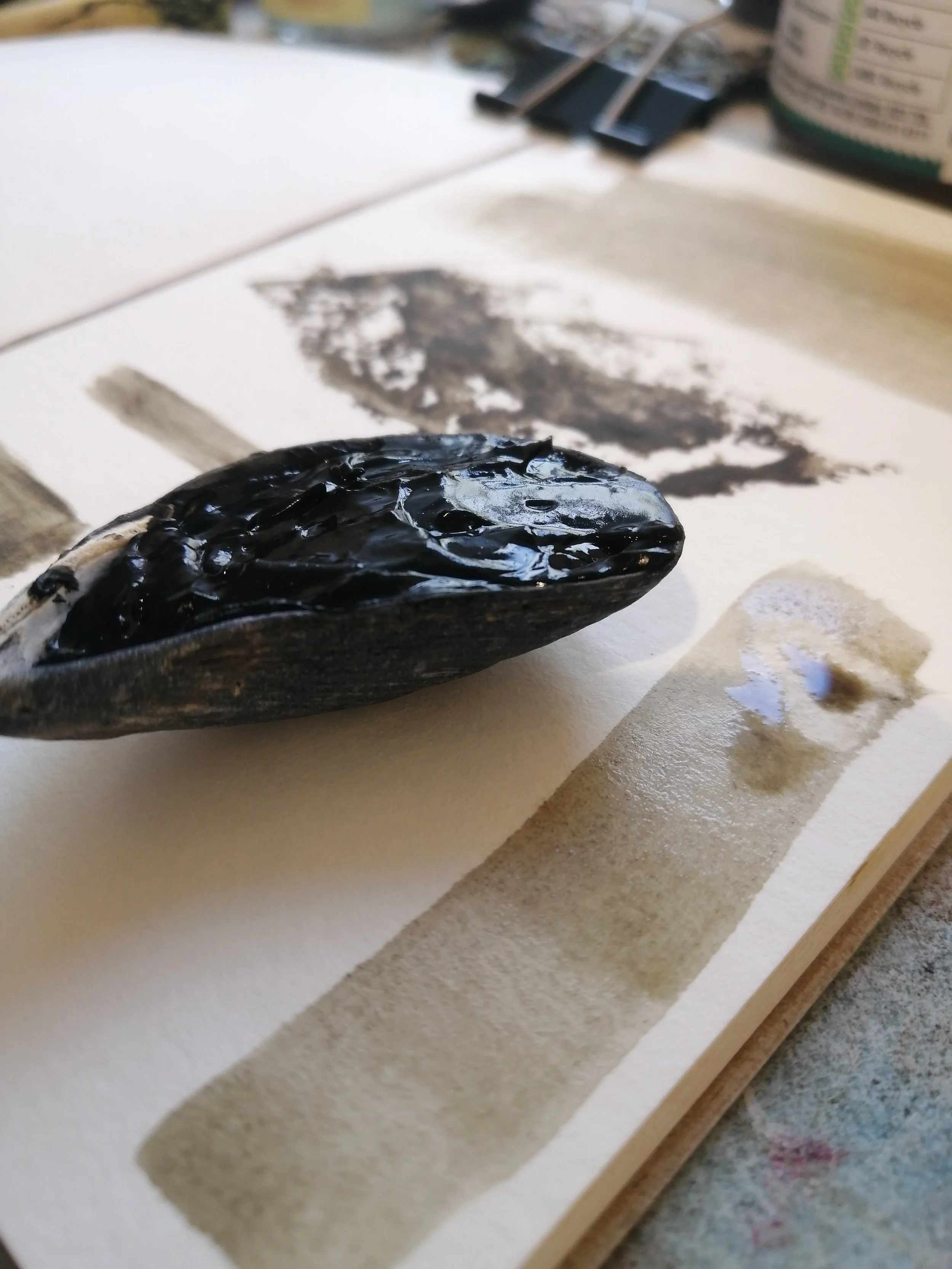
I was awarded funding through Create Berwick to research and develop my practice of making natural pigments from plants and minerals last year, a project that let me delve into inkmaking over a whole year of seasons. My fascination with plants began in childhood and has followed me throughout my creative life; fifteen years ago I was utilising plant dyes in textiles and clothing design, often drawn to the hidden or forgotten uses of wild plants and those seen as 'weeds'. This project gave me the rare opportunity to become fully immersed in experimentation, refining my ink-making techniques, improving my extraction methods and expanding the range of plants I work with. The project culminated in a hands-on workshop for ten local creatives, where I shared both the practical skills and the wonder of creating colour directly from the landscape around us, with brilliant feedback from those attending. I have used this project to inspire specific workshops that I'm developing for schools and groups in the future.
-
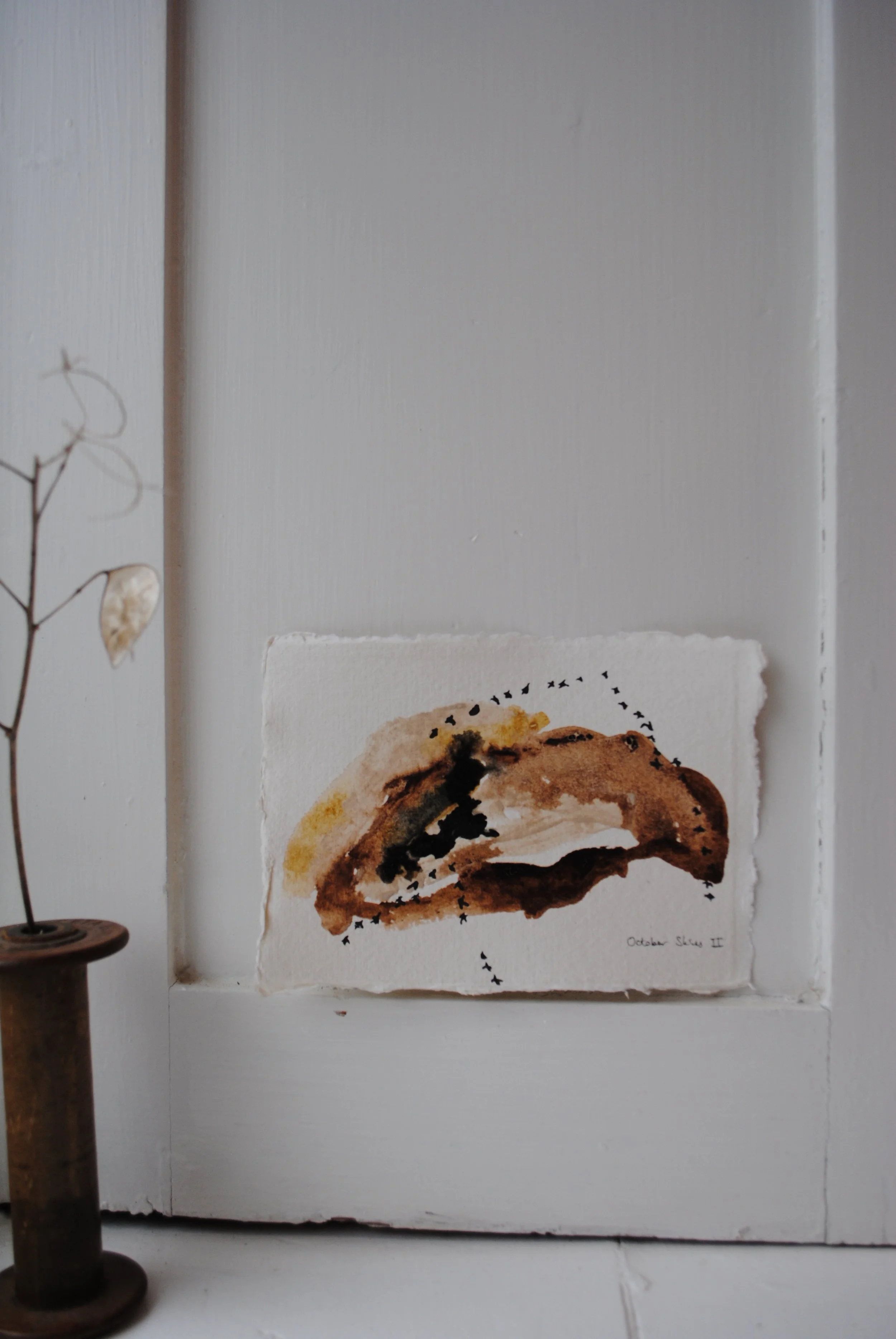
Being offered a studio space at Berwick Barracks Studios has been a significant step in the development of my practice. The studio has given me both the physical space and the permission to follow my curiosity wherever it leads, which often meanders with the seasons, what I'm noticing in Nature, or what plants there might be a glut of. Making natural inks is a slow and often unpredictable process, and painting with them requires patience, layering and time for colours to emerge. Having a dedicated workspace has allowed me to embrace that rhythm fully, leaving pieces out to dry and allowing me to work on several things at once. My current body of work explores seasonal colour palettes created from locally gathered plants, with each piece acting as a record of a particular place and time. Easter 2026 I opened my studio to the public for the first time, welcoming visitors into my creative process, sharing conversations about natural pigments and selling work directly from the space where it was made. I'm creating a sort of larder of colours, a library of local pigments, and I find them fascinating.